



Revolutionizing Metal Forming: The Role of Guardrail Bending and Shaping Machines
2025-05-04
Revolutionizing Metal Forming: The Role of Guardrail Bending and Shaping Machines
Table of Contents
Introduction to Metal Forming and Guardrail Machines
The Importance of Guardrail Bending and Shaping Machines
Types of Guardrail Bending and Shaping Machines
Innovative Technologies in Metal Forming
Applications of Guardrail Bending and Shaping Machines
Benefits of Using G
Revolutionizing Metal Forming: The Role of Guardrail Bending and Shaping Machines
Table of Contents
- Introduction to Metal Forming and Guardrail Machines
- The Importance of Guardrail Bending and Shaping Machines
- Types of Guardrail Bending and Shaping Machines
- Innovative Technologies in Metal Forming
- Applications of Guardrail Bending and Shaping Machines
- Benefits of Using Guardrail Bending and Shaping Machines
- Maintenance of Guardrail Bending and Shaping Machines
- The Future of Metal Forming and Guardrail Machines
- FAQs about Guardrail Bending and Shaping Machines
- Conclusion
Introduction to Metal Forming and Guardrail Machines
The metal forming industry has undergone tremendous changes in recent years, with advancements in technology leading to greater efficiency and precision in production processes. One of the standout innovations in this field is **guardrail bending and shaping machines**. These machines play a crucial role in the manufacturing of guardrails that are essential for road safety, providing structural support while ensuring the longevity and durability of the materials used. Understanding the importance of these machines is vital for anyone involved in the industry.
The Importance of Guardrail Bending and Shaping Machines
Guardrail bending and shaping machines are pivotal in streamlining the metal forming process. They allow manufacturers to create configurations that meet specific safety regulations and design requirements. The precision with which these machines operate ensures that every bend and shape is executed flawlessly, resulting in products that not only meet but often exceed **industry standards**.
This significance extends beyond mere aesthetics; it's about ensuring the safety and security of road users. The manufacturing of high-quality guardrails can be the difference between life and death in certain scenarios. Therefore, investing in advanced bending and shaping machinery is not just a business decision but a commitment to safety.
Types of Guardrail Bending and Shaping Machines
There are several types of guardrail bending and shaping machines available on the market, each designed to handle specific tasks and materials. Understanding the distinctions among them can help manufacturers choose the right equipment for their needs.
1. Hydraulic Bending Machines
Hydraulic bending machines utilize **hydraulic power** to exert force on the materials. They are known for their ability to handle large and thick materials efficiently, making them ideal for heavy-duty applications.
2. Electric Bending Machines
Electric bending machines are more energy-efficient and are often favored for their precision and ease of use. They are suitable for smaller projects where accuracy is paramount.
3. CNC Bending Machines
Computer Numerical Control (CNC) bending machines are at the forefront of technology. They offer high levels of precision and can be programmed to handle complex shapes and patterns, drastically reducing the chances of human error.
Innovative Technologies in Metal Forming
The integration of technology into guardrail bending and shaping machines has revolutionized the metal forming industry. Here are some key technologies that have advanced this field:
1. Automation
Automation in metal forming machines has significantly reduced manual labor. Automated systems increase efficiency by allowing machines to operate continuously and with minimal supervision.
2. Smart Technology
Smart technology enables machines to collect and analyze data in real-time, optimizing processes and identifying potential issues before they escalate. This proactive approach to maintenance can save companies considerable time and resources.
3. Advanced Materials
The use of advanced materials in conjunction with bending and shaping machines has improved the quality of guardrails. These materials are often lighter and more durable, contributing to longer-lasting products.
Applications of Guardrail Bending and Shaping Machines
Guardrail bending and shaping machines are not limited to one industry. Their versatility allows them to be applied in various sectors, including:
1. Road Construction
The primary application is in road construction, where guardrails are essential for vehicle safety. These machines enable the production of guardrails that meet stringent safety standards.
2. Bridge and Tunnel Construction
In bridge and tunnel construction, guardrails are vital for ensuring passenger safety. Bending and shaping machines provide the necessary precision to create structures that are both functional and aesthetically pleasing.
3. Manufacturing of Other Metal Structures
These machines are also used in the production of other metal structures, such as supports for signs and barriers in various applications.
Benefits of Using Guardrail Bending and Shaping Machines
Investing in guardrail bending and shaping machines comes with several benefits:
1. Enhanced Precision and Accuracy
The ability to produce high-quality products with exact specifications means fewer errors and waste, ultimately leading to cost savings.
2. Increased Production Speed
Automation and advanced technologies allow for faster production rates, helping manufacturers meet tight deadlines without compromising quality.
3. Cost-Effectiveness
Over time, the efficiency gained from using guardrail bending and shaping machines can lead to reduced labor costs and increased profitability.
4. Improved Safety Standards
By ensuring that guardrails meet or exceed industry safety standards, manufacturers contribute to a safer environment for road users.
Maintenance of Guardrail Bending and Shaping Machines
Proper maintenance is crucial for the longevity and efficiency of guardrail bending and shaping machines. Here are some tips for ensuring that these machines operate at their best:
1. Regular Inspections
Routine inspections can identify potential issues before they become serious problems. Check for wear and tear on parts, hydraulic fluid levels, and electrical connections.
2. Lubrication
Keeping moving parts lubricated reduces friction and extends the life of the machine. Ensure that all necessary components are maintained with the appropriate lubricants.
3. Cleaning
Regular cleaning helps to remove metal shavings and debris that can interfere with machine operation. A clean workspace also promotes safety and efficiency.
The Future of Metal Forming and Guardrail Machines
The future of guardrail bending and shaping machines looks promising, with ongoing advancements in technology and materials. As the industry moves toward greater automation and smart technology, we can expect:
1. Greater Customization
Future machines will likely offer even greater customization options, allowing manufacturers to produce highly specialized guardrail designs.
2. Enhanced Sustainability
As sustainability becomes more critical in manufacturing, we can anticipate the development of eco-friendly materials and processes in metal forming.
3. Integration of AI
Artificial intelligence may play a vital role in improving machine efficiency by predicting maintenance requirements and optimizing production schedules.
FAQs about Guardrail Bending and Shaping Machines
1. What are guardrail bending and shaping machines used for?
Guardrail bending and shaping machines are used to manufacture guardrails and other metal structures, ensuring they meet specific safety and design standards.
2. How do hydraulic bending machines work?
Hydraulic bending machines use hydraulic power to apply force to metal materials, bending them into desired shapes.
3. What is the difference between CNC and manual bending machines?
CNC bending machines are computer-controlled for precision and automation, while manual machines require more operator input and are generally less accurate.
4. How often should guardrail bending machines be maintained?
Regular maintenance should be performed at least once a month, with thorough inspections and cleanings as necessary based on usage frequency.
5. What advancements can we expect in guardrail bending technology?
Future advancements may include greater automation, smart technology integration, and the use of sustainable materials in the production process.
Conclusion
Guardrail bending and shaping machines have revolutionized the metal forming industry by enhancing precision, efficiency, and safety. As advancements in technology continue to evolve, the future for these machines appears bright, promising increased customization and sustainability in manufacturing. Investing in the right machinery not only benefits manufacturers but also plays a crucial role in ensuring the safety of road users. Embracing these innovations is essential for any company looking to stay competitive in the ever-changing landscape of metal processing.
Key words:
RELATED INFORMATION
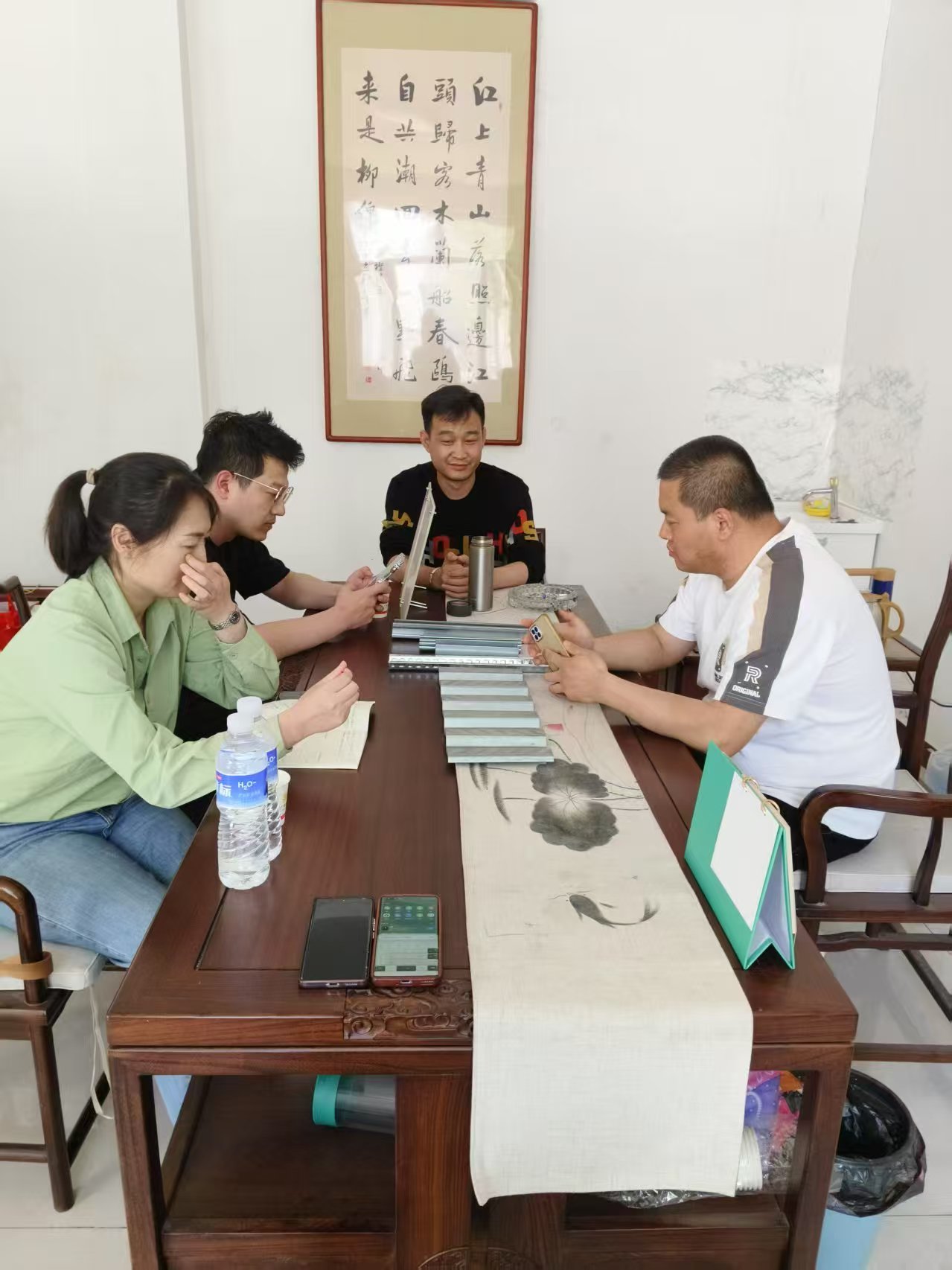
Recently, foreign trade personnel have conducted on-site learning on the company's equipment updates
Recently, foreign trade personnel have conducted on-site learning on the company's equipment updates
2025-05-15
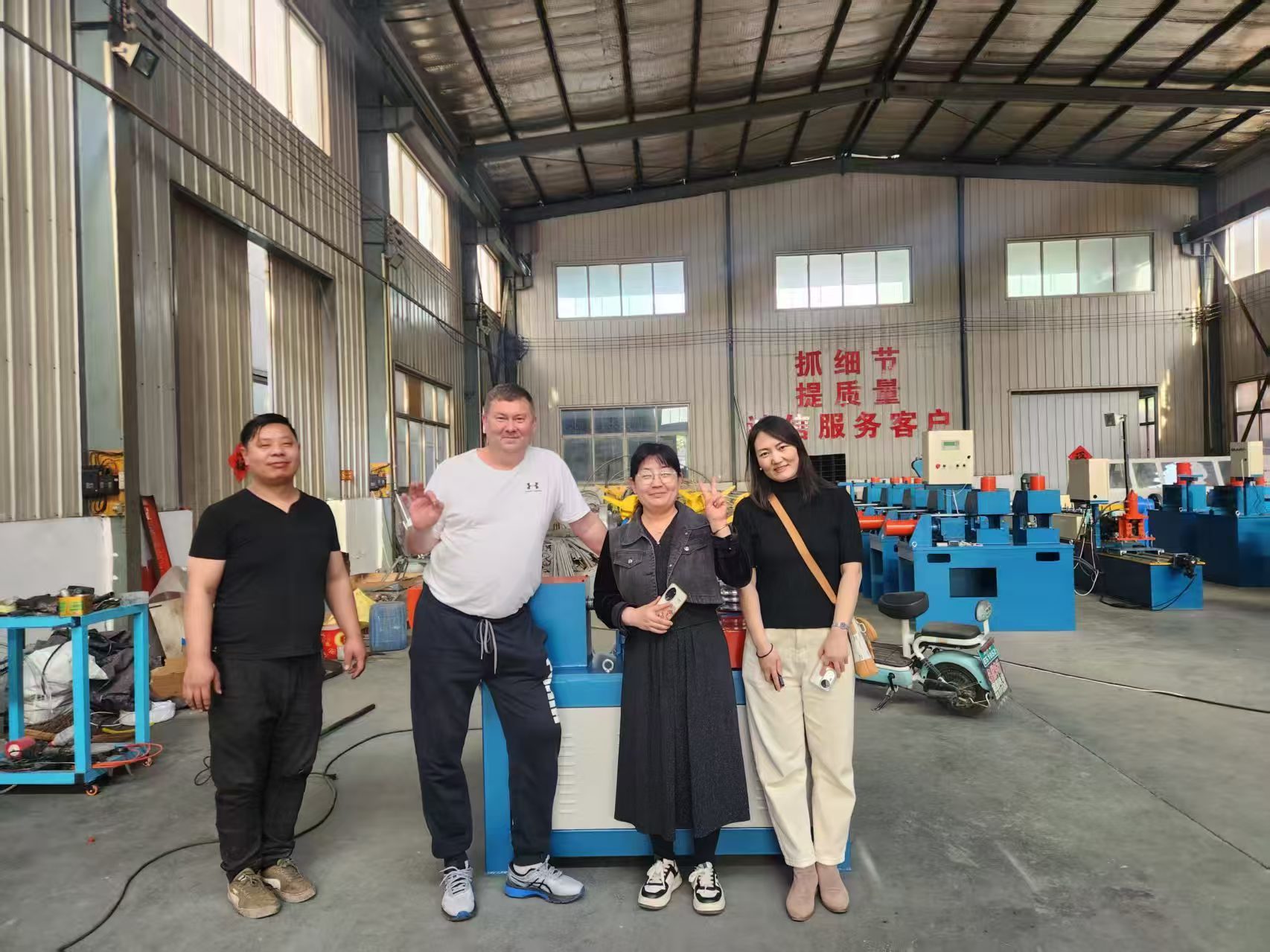
A customer from Inekhusko, Russia, took a 10-hour flight with multiple transfers to visit our factory and inspect the equipment they had previously ordered from our company.Our foreign trade staff warmly received the customer.
2025-04-24
Photovoltaic bracket equipment is a special bracket planned for the placement, installation.
2024-05-22


To inquire about our products, please leave your email to us and we will contact you within 24 hours.
Copyright:©Cangzhou Guangchi Machinery co., Ltd | Poweredby:300.cn | Privacy Policy
Business License