



How to Choose the Right Highway Guardrail Forming Machine for Your Needs
2026-03-09
How to Choose the Right Highway Guardrail Forming Machine for Your Needs
Highway safety is a paramount concern, and the use of guardrails is essential in preventing accidents and ensuring the safety of road users. As the demand for these critical safety structures increases, so does the need for efficient manufacturing processes. A key component in this process is the **highway guardrail forming m
How to Choose the Right Highway Guardrail Forming Machine for Your Needs
Highway safety is a paramount concern, and the use of guardrails is essential in preventing accidents and ensuring the safety of road users. As the demand for these critical safety structures increases, so does the need for efficient manufacturing processes. A key component in this process is the **highway guardrail forming machine**. Choosing the right machine can significantly impact production quality, efficiency, and overall cost-effectiveness. In this article, we will explore the various aspects to consider when selecting the perfect highway guardrail forming machine tailored to your needs.
Table of Contents
- Understanding Highway Guardrail Forming Machines
- Types of Highway Guardrail Forming Machines
- Key Features to Consider When Choosing a Machine
- Machine Capacity and Output Requirements
- The Role of Material Quality in Forming Machines
- Automation and Technological Advancements
- Cost Considerations in Purchasing a Guardrail Forming Machine
- Maintenance and Support for Your Forming Machine
- Conclusion
- FAQs
Understanding Highway Guardrail Forming Machines
A highway guardrail forming machine is specialized equipment designed to shape and fabricate guardrails used along highways. These machines can create various guardrail profiles and are crucial in ensuring that the finished products comply with safety standards. Understanding the functionality and capabilities of these machines is the first step in making an informed choice.
The Importance of Highway Guardrails
Guardrails serve as a critical barrier to prevent vehicles from veering off the road and crashing into obstacles. They are crucial in accidents' aftermath by minimizing damage and protecting lives. Consequently, the machines that produce these guardrails must meet stringent quality standards.
Types of Highway Guardrail Forming Machines
When it comes to guardrail forming machines, there are several types available, each suited for specific applications:
1. Hydraulic Guardrail Forming Machines
These machines utilize hydraulic pressure to shape metal sheets into guardrails. They are known for their precision and ability to handle thick materials, making them a popular choice in heavy-duty applications.
2. Mechanical Guardrail Forming Machines
Mechanical machines use mechanical power to form guardrails. They are typically less expensive than hydraulic machines but may not offer the same level of precision or versatility in material handling.
3. CNC Guardrail Forming Machines
Computer Numerical Control (CNC) machines provide automated and precise control over the forming process. They are ideal for producing complex profiles and can significantly increase production efficiency.
Key Features to Consider When Choosing a Machine
When selecting a highway guardrail forming machine, several key features should be evaluated to ensure that the machine meets your production requirements.
1. Material Compatibility
The machine's ability to work with various metal types, such as steel or aluminum, is vital. Ensure that the machine can handle the specific materials you intend to use.
2. Forming Speed and Efficiency
Evaluate the forming speed of the machine, as this directly impacts your production capacity. Machines that offer faster forming times without compromising quality can lead to increased output and profitability.
3. Adjustability and Versatility
Look for machines that offer adjustable settings for different guardrail profiles. This flexibility allows you to cater to diverse client needs and adapt to changing market demands.
4. Safety Features
Safety should never be compromised. Inspect the machine for built-in safety features, such as emergency stop buttons, protective covers, and safety interlocks, to ensure a safe working environment.
5. Ease of Operation
The complexity of operating the machine can affect productivity. A user-friendly interface will enhance efficiency and reduce training time for operators.
Machine Capacity and Output Requirements
Understanding your production capacity requirements is crucial for selecting the right forming machine. Consider the following factors:
1. Daily Production Needs
Estimate your daily output requirements based on your business goals. A machine with a higher output capacity may be necessary if you anticipate high demand.
2. Production Cycle Time
Calculate the time it takes for the machine to complete one cycle of production. Shorter cycle times generally mean higher efficiency and lower production costs.
3. Peak Season Variability
If your business experiences seasonal peaks in demand, consider a machine that can handle increased production volumes during those times without compromising quality.
The Role of Material Quality in Forming Machines
The quality of raw materials used in the forming process plays a significant role in the final product's durability and safety. When selecting a forming machine, it's essential to consider:
1. Material Thickness
Ensure the machine can accommodate the thickness of the materials you plan to use. Machines that can handle a range of thicknesses provide greater flexibility.
2. Material Type
Different materials require different forming processes. Verify that the machine is designed to work effectively with the materials you will use, ensuring optimal performance and product quality.
Automation and Technological Advancements
As technology continues to evolve, automation has become a crucial factor in manufacturing efficiency. Consider the following advancements:
1. Smart Technology Integration
Machines equipped with smart technology can monitor performance, predict maintenance needs, and optimize production processes, leading to reduced downtime and improved efficiency.
2. Remote Monitoring Capabilities
Machines that offer remote monitoring can provide real-time data about production processes, allowing for quick adjustments and enhanced operational control.
Cost Considerations in Purchasing a Guardrail Forming Machine
When investing in a highway guardrail forming machine, several cost-related factors should be taken into account:
1. Initial Purchase Price
The initial cost of the machine is just one aspect of the total investment. Compare prices across different models and manufacturers to find a machine that fits your budget while meeting your needs.
2. Operational Costs
Consider the operational costs, including energy consumption, maintenance, and raw material expenses. Machines that are energy-efficient and require less maintenance can save you money in the long run.
3. Return on Investment (ROI)
Calculate the expected ROI based on your production capacity and market demand. A well-chosen machine should generate profits by increasing production efficiency and reducing costs.
Maintenance and Support for Your Forming Machine
Proper maintenance is essential for ensuring the longevity and performance of your highway guardrail forming machine. Consider the following:
1. Manufacturer Support
Choose a manufacturer that offers reliable customer support, including technical assistance and troubleshooting. Good support can minimize downtime and extend the life of your machine.
2. Maintenance Schedule
Inspect whether the manufacturer provides a recommended maintenance schedule. Regular maintenance can prevent costly repairs and ensure optimal performance.
3. Availability of Spare Parts
Ensure that spare parts for the machine are readily available. This availability can significantly reduce downtime in case of repairs or replacements.
Conclusion
Selecting the right highway guardrail forming machine is a crucial decision that can impact your production efficiency, cost-effectiveness, and product quality. By carefully considering the various factors outlined in this guide, you can make an informed choice that aligns with your specific needs. From understanding the types of machines available to evaluating key features and ongoing support, each element plays a vital role in the overall success of your guardrail manufacturing operations. With the right machine, you can enhance your productivity and contribute to safer highways for all users.
FAQs
1. What is a highway guardrail forming machine used for?
A highway guardrail forming machine is used to fabricate guardrails that provide safety barriers on highways, preventing vehicles from veering off the road.
2. How do I determine the right capacity for my guardrail forming machine?
Assess your daily production needs and peak season demands to determine the appropriate capacity that aligns with your business goals.
3. Are hydraulic machines better than mechanical machines?
Hydraulic machines typically offer more precision and can handle thicker materials, making them preferable for heavy-duty applications.
4. What maintenance is required for a guardrail forming machine?
Regular maintenance includes routine inspections, cleaning, lubrication, and prompt repairs to ensure optimal performance.
5. How can automation improve my manufacturing process?
Automation can enhance efficiency, reduce labor costs, and improve product consistency by minimizing human error in the production process.
Key words:
RELATED INFORMATION
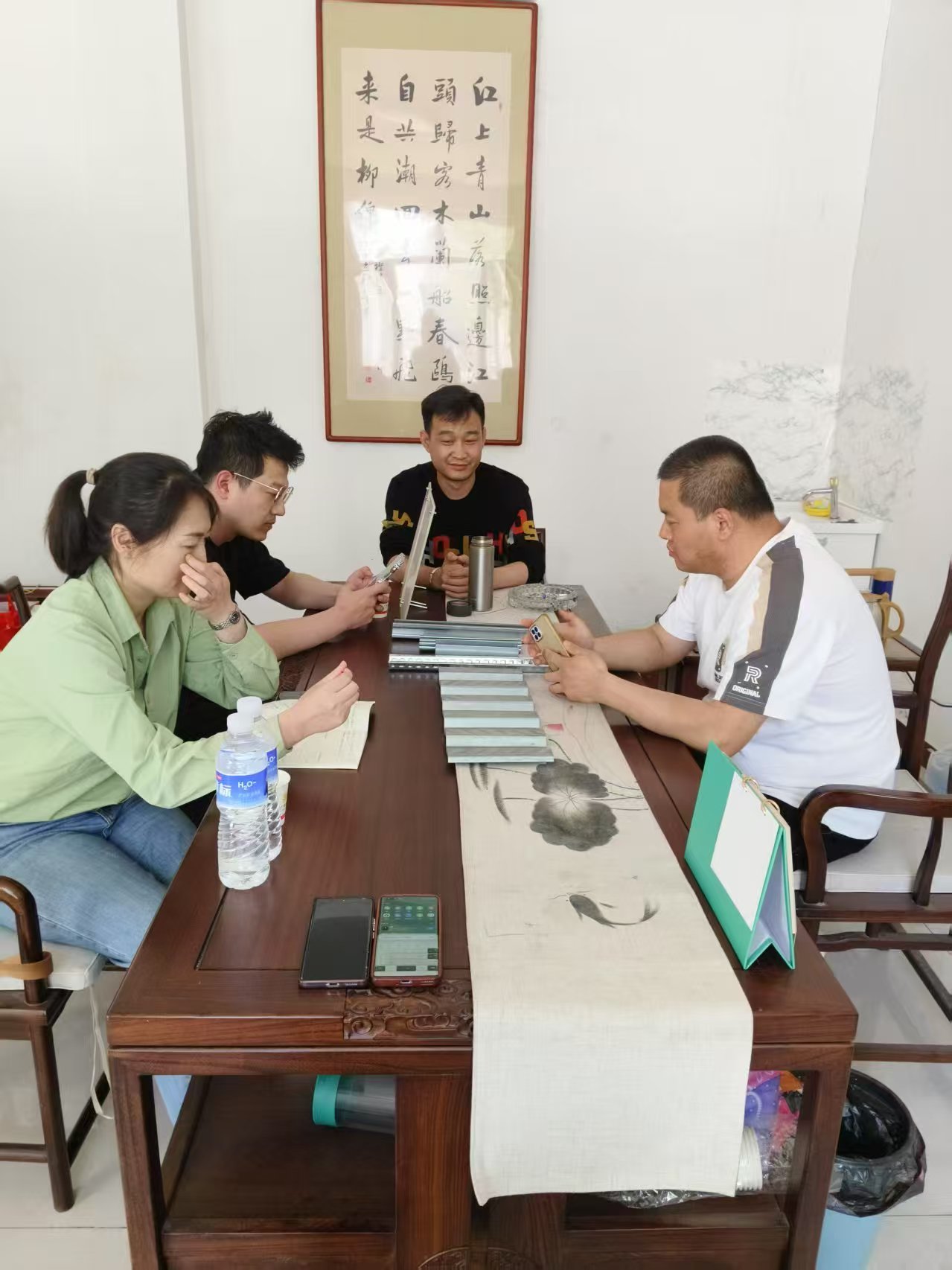
Recently, foreign trade personnel have conducted on-site learning on the company's equipment updates
Recently, foreign trade personnel have conducted on-site learning on the company's equipment updates
2025-05-15
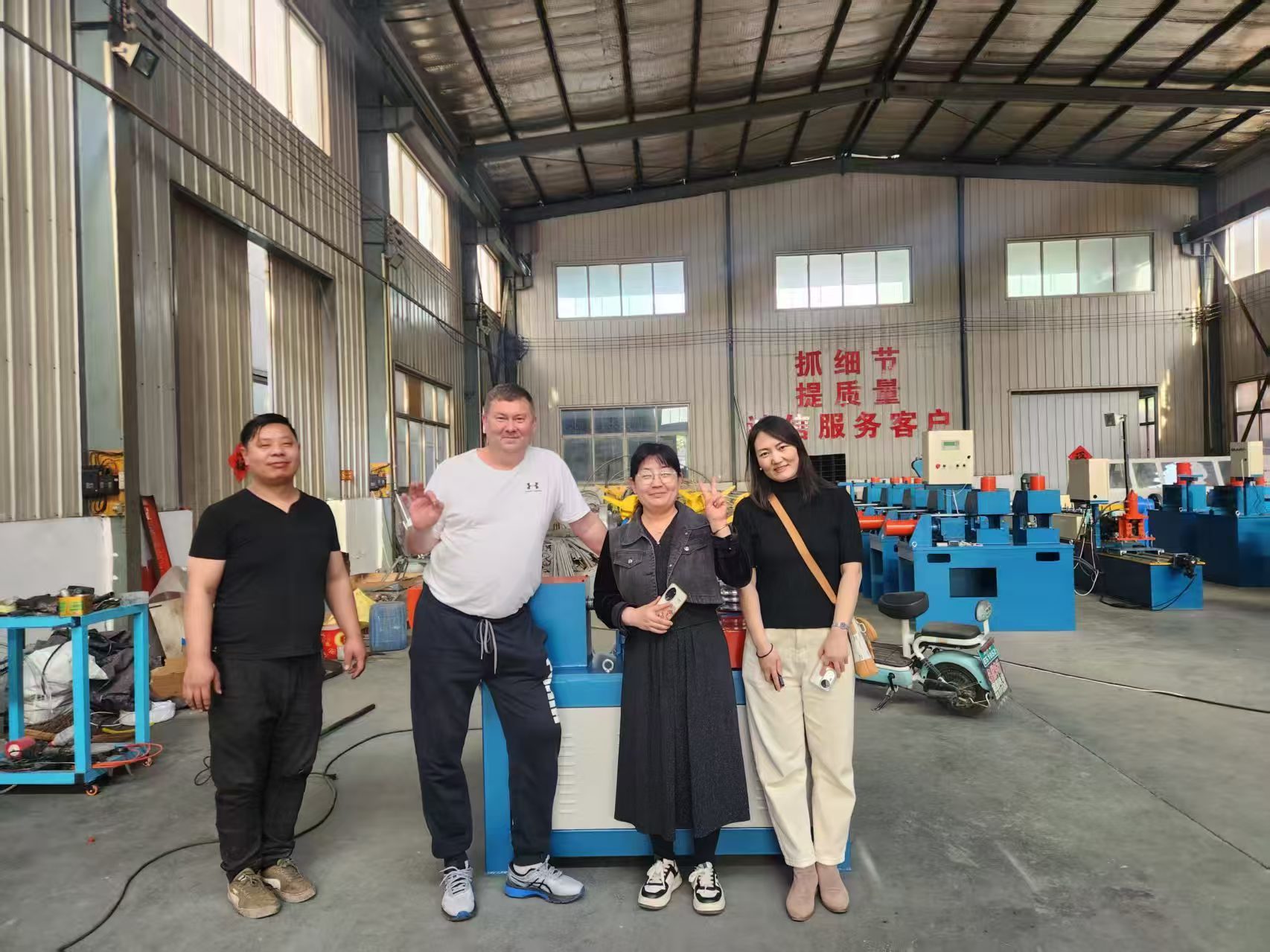
A customer from Inekhusko, Russia, took a 10-hour flight with multiple transfers to visit our factory and inspect the equipment they had previously ordered from our company.Our foreign trade staff warmly received the customer.
2025-04-24
Photovoltaic bracket equipment is a special bracket planned for the placement, installation.
2024-05-22


To inquire about our products, please leave your email to us and we will contact you within 24 hours.
Copyright:©Cangzhou Guangchi Machinery co., Ltd | Poweredby:300.cn | Privacy Policy
Business License