



Essential Insights into Pipe and Tube Bending Machines for Metal Fabrication
2026-02-22
In the metal fabrication industry, pipe and tube bending machines play a crucial role in shaping metal components for a variety of applications. These machines are designed to bend pipes and tubes accurately and efficiently, making them indispensable tools for manufacturers dealing with metal works. This article provides an overview of the essential features, types, and considerations when selecti
In the metal fabrication industry, pipe and tube bending machines play a crucial role in shaping metal components for a variety of applications. These machines are designed to bend pipes and tubes accurately and efficiently, making them indispensable tools for manufacturers dealing with metal works. This article provides an overview of the essential features, types, and considerations when selecting a pipe and tube bending machine for your business.
One of the primary functions of pipe and tube bending machines is to create various shapes and angles in metal pipes and tubes, which are commonly used in construction, automotive, and industrial applications. There are several bending techniques, including rotary draw bending, roll bending, and mandrel bending, each suited for different materials and specifications. Understanding these techniques can help manufacturers choose the right machine based on their specific requirements.
Rotary draw bending is favored for its precision, making it ideal for applications requiring tight bends and intricate shapes. Roll bending, on the other hand, is typically used for larger, more straightforward bends and is often employed in creating frames or bases for equipment. Mandrel bending offers additional support during the bending process, ensuring that the internal diameter of the pipe remains intact and free from deformities, which is crucial for maintaining structural integrity.
When selecting a pipe and tube bending machine, several factors should be considered. First, the material type and thickness play a significant role in determining the machine's specifications. Different machines are designed to handle various materials, such as stainless steel, aluminum, and carbon steel, each requiring distinct bending capabilities. Additionally, the diameter of the pipe or tube is another critical consideration, as some machines are optimized for specific sizes.
Another important aspect to evaluate is the machine's automation level. While manual machines are available and may be suitable for smaller operations, automated systems can significantly enhance production efficiency, reduce labor costs, and minimize human error. Advanced machines may also offer programmable functions, allowing for precise and repetitive bends, making them highly valuable for larger production runs.
Lastly, understanding the maintenance and support offered by the machine manufacturer is essential. Regular maintenance ensures longevity and reliability, while good customer support can provide peace of mind during operational challenges.
In conclusion, pipe and tube bending machines are vital assets in the metal fabrication sector. By considering the bending techniques, material specifications, automation features, and support options, manufacturers can make informed decisions that enhance productivity and ensure high-quality outputs in their operations. Investing in the right machine not only improves manufacturing efficiency but also plays a significant role in meeting customer demands in today's competitive market.
One of the primary functions of pipe and tube bending machines is to create various shapes and angles in metal pipes and tubes, which are commonly used in construction, automotive, and industrial applications. There are several bending techniques, including rotary draw bending, roll bending, and mandrel bending, each suited for different materials and specifications. Understanding these techniques can help manufacturers choose the right machine based on their specific requirements.
Rotary draw bending is favored for its precision, making it ideal for applications requiring tight bends and intricate shapes. Roll bending, on the other hand, is typically used for larger, more straightforward bends and is often employed in creating frames or bases for equipment. Mandrel bending offers additional support during the bending process, ensuring that the internal diameter of the pipe remains intact and free from deformities, which is crucial for maintaining structural integrity.
When selecting a pipe and tube bending machine, several factors should be considered. First, the material type and thickness play a significant role in determining the machine's specifications. Different machines are designed to handle various materials, such as stainless steel, aluminum, and carbon steel, each requiring distinct bending capabilities. Additionally, the diameter of the pipe or tube is another critical consideration, as some machines are optimized for specific sizes.
Another important aspect to evaluate is the machine's automation level. While manual machines are available and may be suitable for smaller operations, automated systems can significantly enhance production efficiency, reduce labor costs, and minimize human error. Advanced machines may also offer programmable functions, allowing for precise and repetitive bends, making them highly valuable for larger production runs.
Lastly, understanding the maintenance and support offered by the machine manufacturer is essential. Regular maintenance ensures longevity and reliability, while good customer support can provide peace of mind during operational challenges.
In conclusion, pipe and tube bending machines are vital assets in the metal fabrication sector. By considering the bending techniques, material specifications, automation features, and support options, manufacturers can make informed decisions that enhance productivity and ensure high-quality outputs in their operations. Investing in the right machine not only improves manufacturing efficiency but also plays a significant role in meeting customer demands in today's competitive market.
Key words:
RELATED INFORMATION
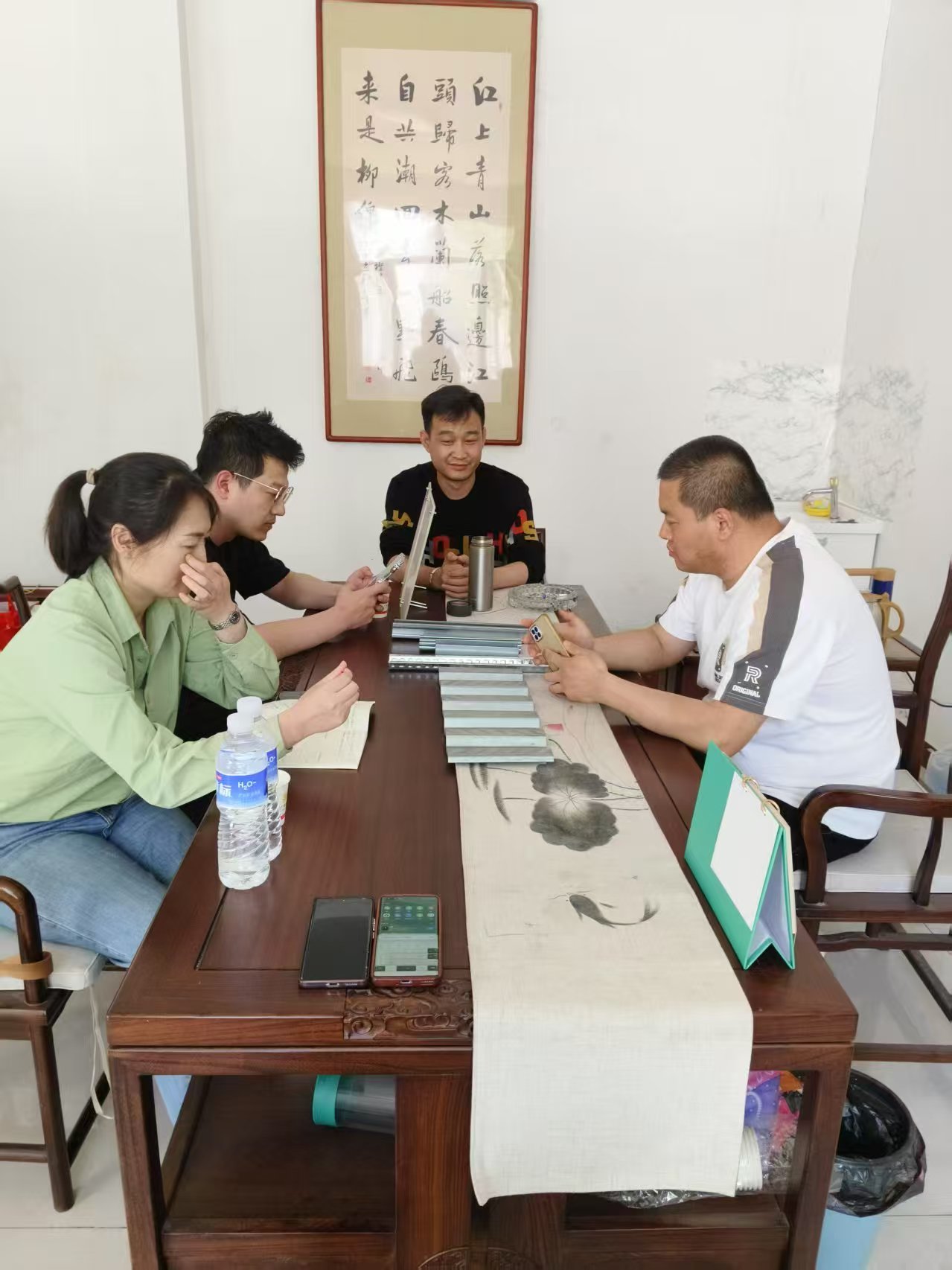
Recently, foreign trade personnel have conducted on-site learning on the company's equipment updates
Recently, foreign trade personnel have conducted on-site learning on the company's equipment updates
2025-05-15
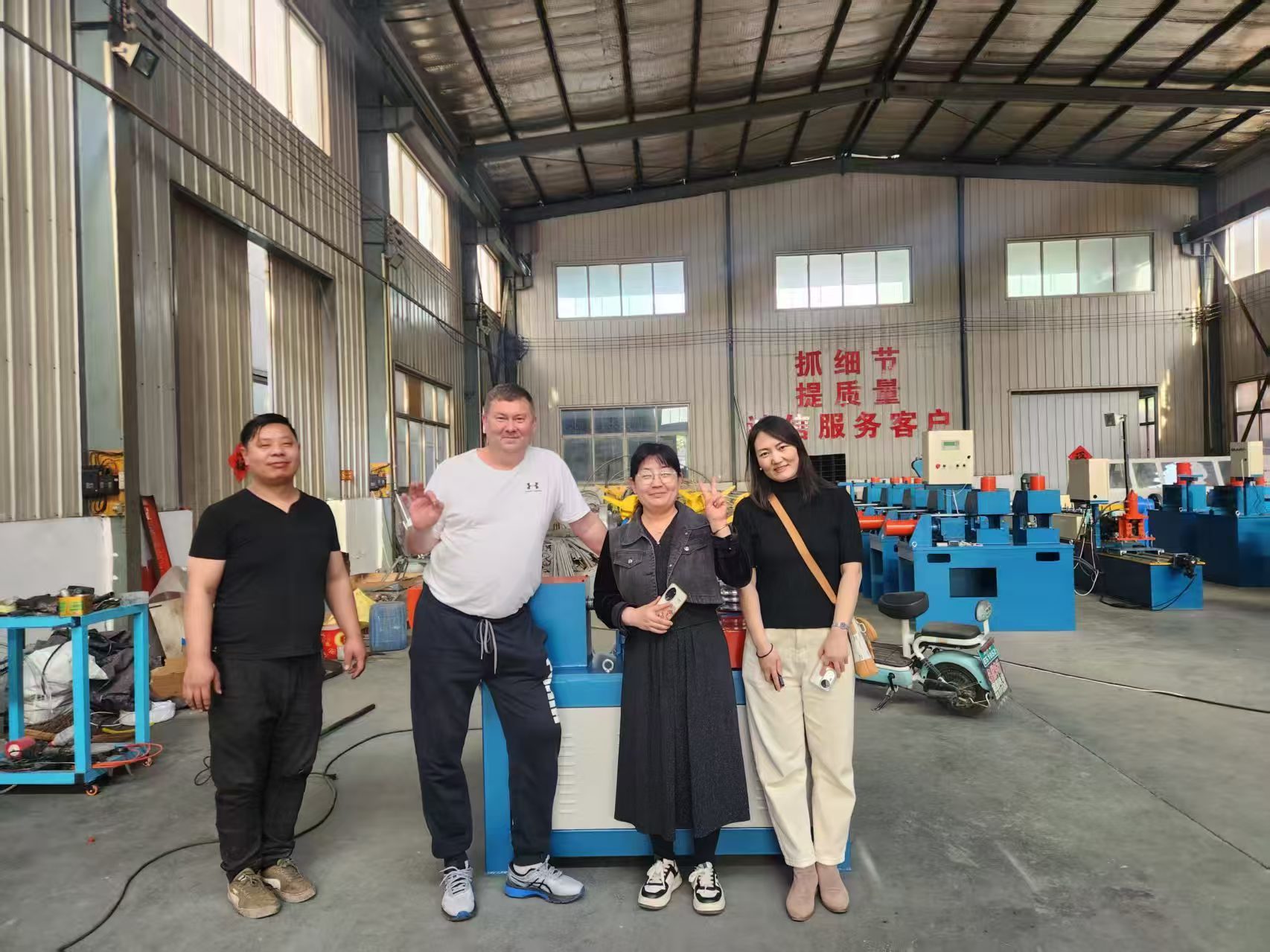
A customer from Inekhusko, Russia, took a 10-hour flight with multiple transfers to visit our factory and inspect the equipment they had previously ordered from our company.Our foreign trade staff warmly received the customer.
2025-04-24
Photovoltaic bracket equipment is a special bracket planned for the placement, installation.
2024-05-22


To inquire about our products, please leave your email to us and we will contact you within 24 hours.
Copyright:©Cangzhou Guangchi Machinery co., Ltd | Poweredby:300.cn | Privacy Policy
Business License