



Top 5 Features to Look for in a Quality Pipe and Tube Bending Machine
2026-02-13
Top 5 Features to Look for in a Quality Pipe and Tube Bending Machine
Introduction to Pipe and Tube Bending Machines
In the world of **manufacturing** and **metal fabrication**, a high-quality pipe and tube bending machine is indispensable. These machines are designed to bend various materials—typically metals—into specific shapes for use in a plethora of applications, from automotive components t
Top 5 Features to Look for in a Quality Pipe and Tube Bending Machine
Introduction to Pipe and Tube Bending Machines
In the world of **manufacturing** and **metal fabrication**, a high-quality pipe and tube bending machine is indispensable. These machines are designed to bend various materials—typically metals—into specific shapes for use in a plethora of applications, from automotive components to architectural structures. Understanding the essential features that define a quality machine helps streamline operations, ensuring efficiency, precision, and safety in your workflow.
1. Precision and Accuracy in Bending
When evaluating a pipe and tube bending machine, the foremost feature to consider is its **precision and accuracy**. The ability to achieve the desired bend angle, radius, and dimensions consistently is crucial for maintaining quality in production. Machines equipped with advanced **CNC (Computer Numerical Control)** technology not only enhance accuracy but also allow for complex bending profiles to be executed effortlessly.
Importance of Calibration
The **calibration** process is vital for ensuring that the machine operates within set tolerances. Regular calibration checks will help you maintain the machine's precision over time, which is especially important in industries where even the slightest deviation can lead to significant quality issues.
Choosing the Right Bending Method
Different bending methods, such as **rotary draw bending**, **push bending**, and **roll bending**, can affect the precision of the final product. Understanding which method suits your specific applications will aid in selecting a machine that offers the highest level of accuracy.
2. Material Compatibility and Versatility
Another critical feature to consider is the machine's **material compatibility**. Quality machines should be capable of bending various materials, including:
- Stainless steel
- Aluminum
- Copper
- Carbon steel
The versatility of a machine in handling different materials not only broadens your production capabilities but also allows you to cater to diverse customer needs.
Thickness and Diameter Range
It is essential to check the **thickness and diameter** range that the machine can accommodate. Quality machines typically offer a broad range, enabling you to work with various pipe sizes without compromising performance.
Adaptability for Different Projects
Whether you're working on large structural projects or small-scale items, a versatile bending machine ensures that you can adapt to the different requirements without needing multiple machines.
3. User-Friendly Interface and Control Systems
As technology advances, the complexity of machine controls has also increased. Hence, a **user-friendly interface** is essential for smooth operation. Quality pipe and tube bending machines should feature:
- **Intuitive touch screens** for easy navigation
- **Programmable settings** to save commonly used parameters
- Real-time **monitoring systems** for feedback during the bending process
Training and Ease of Use
Machines with a simple control interface reduce the learning curve for new operators, ensuring that your team can quickly become proficient. This factor significantly minimizes downtime during training phases.
Automated Features
Automated features such as automatic tube loading and unloading systems can greatly enhance workflow efficiency, reducing the manual handling required and increasing safety.
4. Build Quality and Durability
The **build quality** of a pipe and tube bending machine directly impacts its performance and longevity. Machines constructed from high-grade materials will withstand rigorous use and provide consistent results over time.
Frame and Components
Pay attention to the frame's design and the materials used in key components. Quality machines often have:
- Reinforced frames to handle heavy workloads
- High-quality bearings and gears for improved operation
- Durable hydraulic systems for enhanced power and reliability
Maintenance Considerations
Consider machines designed for easy maintenance. Accessible components simplify routine checks and repairs, reducing downtime and extending the machine's lifespan.
5. Safety Features and Compliance
Safety should never be compromised in a manufacturing environment. Quality pipe and tube bending machines come equipped with various **safety features** to protect operators and equipment, such as:
- Emergency stop buttons
- Safety guards
- Overload protection systems
Regulatory Compliance
Ensure that the machine meets industry standards and regulations. Compliance not only ensures safety but also protects your business from legal repercussions.
Training and Safety Protocols
In addition to machine features, implementing thorough training protocols for operators is essential. Regular safety drills and adherence to safety practices can significantly reduce workplace accidents.
Conclusion
Investing in a quality pipe and tube bending machine is crucial for any metal fabrication operation. By focusing on precision, material compatibility, user-friendly controls, robust build quality, and safety features, you can ensure that your machine meets both current and future production needs. Ultimately, the right machine will enhance productivity, improve product quality, and provide a safer working environment.
FAQs
What is the difference between rotary draw bending and roll bending?
Rotary draw bending is ideal for tight bends and precise angles, while roll bending is typically used for larger curves and arcs.
How important is the material used in construction for a bending machine?
The quality of materials used in the machine's construction directly affects its durability, performance, and maintenance requirements.
Can I use a pipe and tube bending machine for different types of materials?
Yes, many quality machines are designed to accommodate various materials, including stainless steel, aluminum, and copper, enhancing versatility.
What safety features should I look for in a bending machine?
Look for features such as emergency stop buttons, safety guards, and overload protection systems to ensure operator safety.
How does automation affect the operation of a bending machine?
Automation can streamline operations, reduce manual handling, and enhance efficiency, allowing for quicker production times while maintaining quality.
By focusing on these five key features, you can confidently choose a pipe and tube bending machine that will serve your business needs effectively and efficiently.
Key words:
RELATED INFORMATION
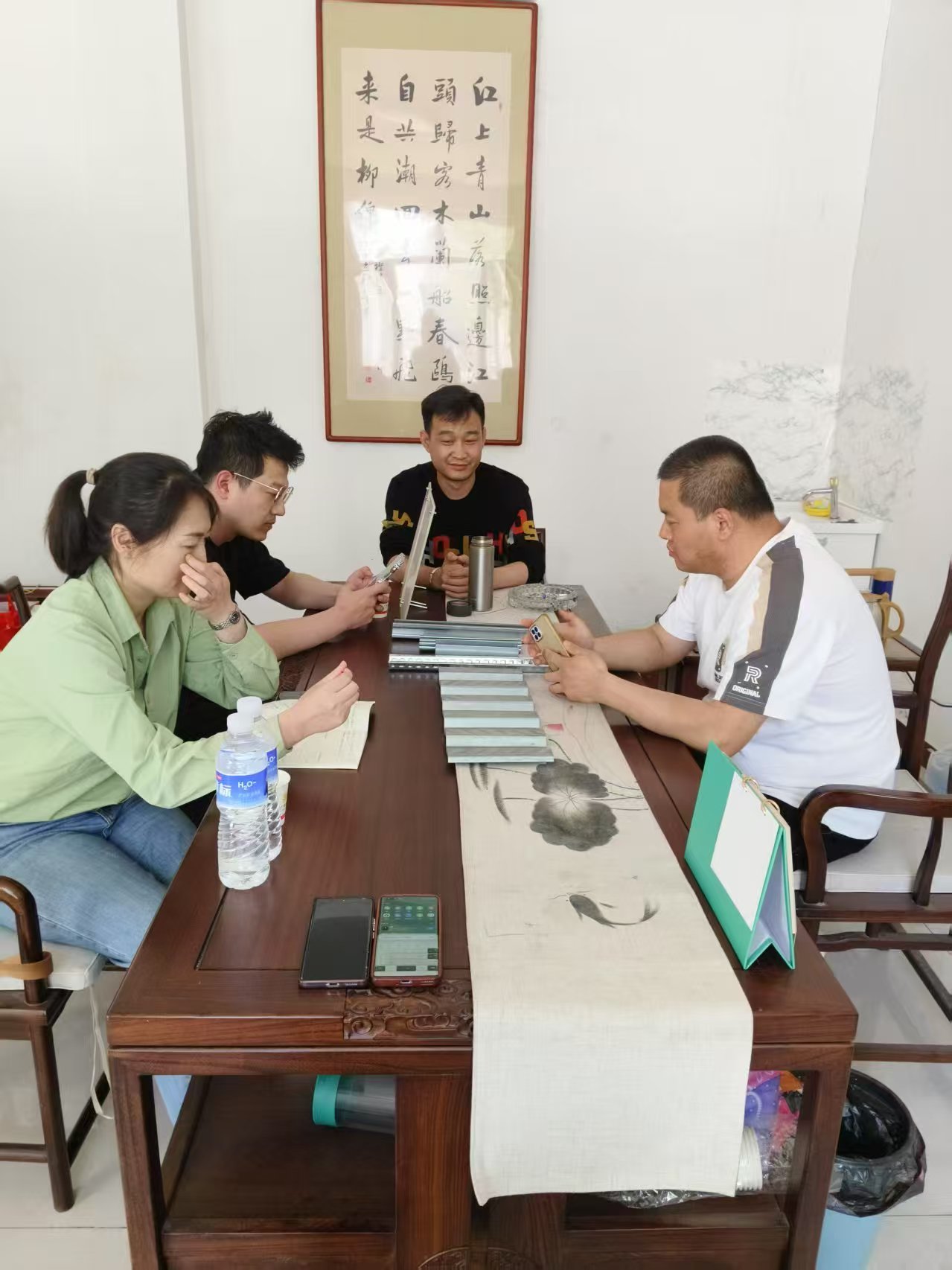
Recently, foreign trade personnel have conducted on-site learning on the company's equipment updates
Recently, foreign trade personnel have conducted on-site learning on the company's equipment updates
2025-05-15
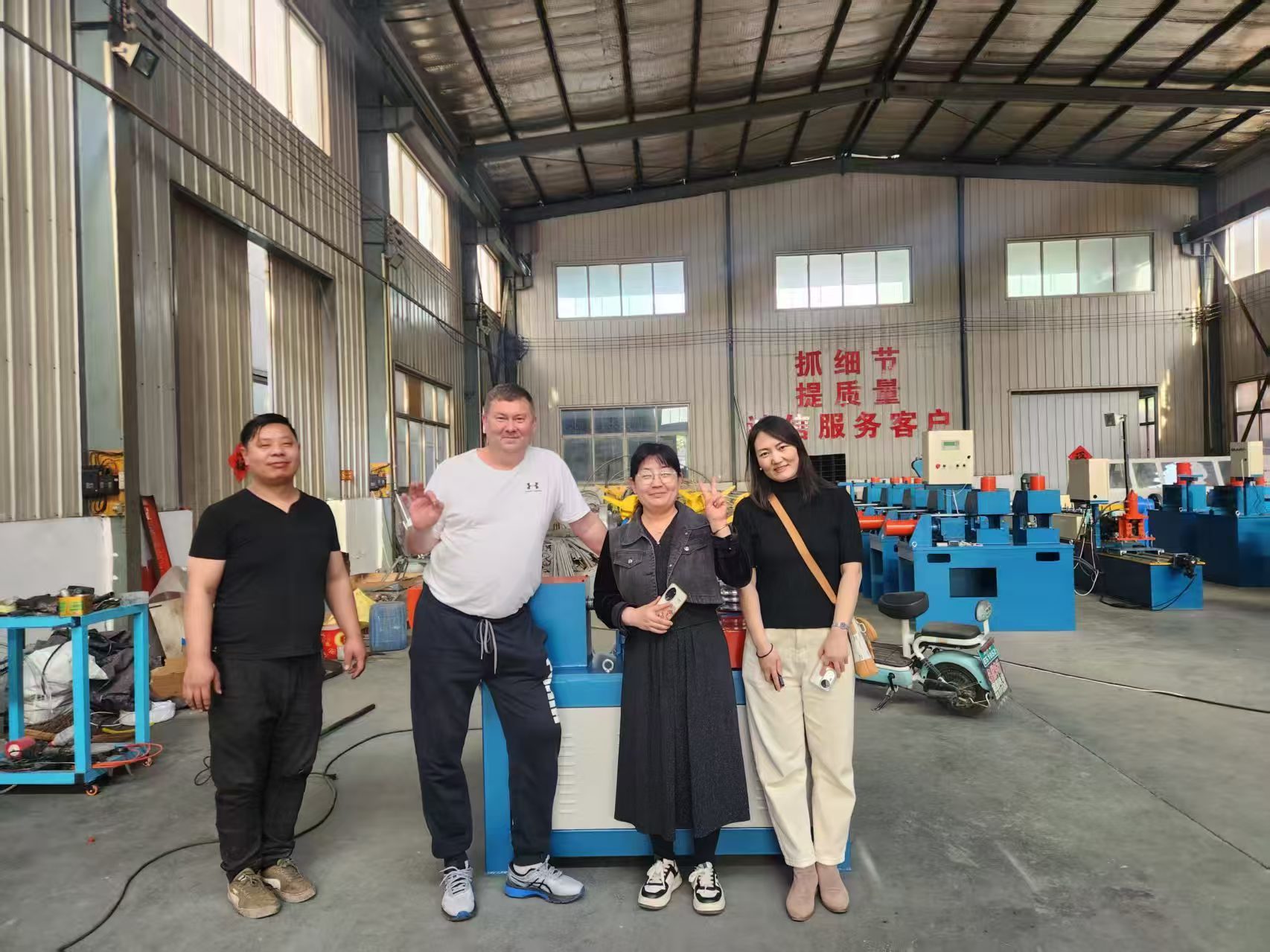
A customer from Inekhusko, Russia, took a 10-hour flight with multiple transfers to visit our factory and inspect the equipment they had previously ordered from our company.Our foreign trade staff warmly received the customer.
2025-04-24
Photovoltaic bracket equipment is a special bracket planned for the placement, installation.
2024-05-22


To inquire about our products, please leave your email to us and we will contact you within 24 hours.
Copyright:©Cangzhou Guangchi Machinery co., Ltd | Poweredby:300.cn | Privacy Policy
Business License