



From Design to Production: How Roof Tile Press Machines Enhance Workflow
2025-12-16
From Design to Production: How Roof Tile Press Machines Enhance Workflow
Introduction to Roof Tile Press Machines
Roof tile press machines represent a pivotal technology in the manufacturing of roofing materials. These machines efficiently convert raw materials into high-quality roofing tiles, streamlining the production process from initial design to final output. In today’s competitive market, o
From Design to Production: How Roof Tile Press Machines Enhance Workflow
Introduction to Roof Tile Press Machines
Roof tile press machines represent a pivotal technology in the manufacturing of roofing materials. These machines efficiently convert raw materials into high-quality roofing tiles, streamlining the production process from initial design to final output. In today’s competitive market, optimizing workflow through advanced machinery is crucial for companies aiming to enhance productivity and maintain quality. This article delves into the mechanisms, advantages, and applications of roof tile press machines, illustrating their role in modern industrial settings.
The Importance of Workflow Optimization in Manufacturing
Workflow optimization is essential for increasing production efficiency and reducing costs. In the roofing industry, a smooth workflow not only enhances output but also ensures that manufacturers can meet customer demands without compromising quality. Roof tile press machines play a significant role in this optimization by incorporating automation and precision engineering.
Understanding Roof Tile Press Machines
Roof tile press machines are specialized equipment designed for molding and shaping roofing tiles from various materials, including clay, concrete, and synthetic composites. These machines allow manufacturers to produce tiles with precise dimensions and consistent quality, making them indispensable in the roofing industry.
Key Components of Roof Tile Press Machines
1. **Feeding System**: This component ensures a steady supply of raw materials into the machine.
2. **Molding Chamber**: Here, the raw materials are shaped into the desired tile form.
3. **Hydraulic Press**: A critical element that applies pressure to form the tiles, ensuring density and durability.
4. **Cooling and Drying System**: Post-production, tiles are cooled and dried to achieve optimal strength.
5. **Control System**: Modern roof tile press machines feature advanced control panels for monitoring and adjusting operations.
Benefits of Using Roof Tile Press Machines
Incorporating roof tile press machines into production lines offers various benefits that enhance overall efficiency and product quality.
1. Increased Production Speed
Roof tile press machines significantly reduce the time required for tile production. Automation allows for rapid cycle times, enabling manufacturers to meet high demand while maintaining quality.
2. Consistency and Quality Control
With precision engineering, these machines ensure that every tile produced meets stringent specifications. This consistency is crucial for maintaining brand reputation and customer satisfaction.
3. Cost Efficiency
While the initial investment in roof tile press machines can be substantial, the long-term savings realized through reduced labor costs and increased output often justify the expenditure. Manufacturers can achieve lower per-tile production costs, enhancing competitiveness.
4. Versatility in Design
Modern roof tile press machines can accommodate various materials and designs, allowing manufacturers to innovate and respond to market trends effectively.
5. Enhanced Safety Features
Many contemporary machines are designed with safety in mind, incorporating features such as emergency stops and protective enclosures to safeguard operators.
From Concept to Final Product
The journey from design to production in roof tile manufacturing involves several critical stages where roof tile press machines play a vital role.
1. Designing the Tile
The process begins with designing the tile, utilizing CAD software to create precise specifications. This design phase is crucial for ensuring that the end product meets aesthetic and functional requirements.
2. Material Selection
Choosing the right materials is essential for achieving desired durability and appearance. Manufacturers often select between clay, concrete, or innovative composite materials, depending on the intended application.
3. Prototyping
Before mass production, manufacturers may create prototypes to test the design’s viability. This step allows for adjustments to be made before the full-scale production begins.
4. Production with Roof Tile Press Machines
Once the design is finalized, the production phase begins. Roof tile press machines take over, feeding raw materials, molding them into shape, and ensuring they are cured properly.
5. Quality Assurance
Post-production, each batch of tiles undergoes rigorous testing to ensure they meet quality standards. This stage is critical for maintaining compliance with industry regulations and customer expectations.
Integrating Roof Tile Press Machines into Existing Systems
Adopting new technology can be daunting, but integrating roof tile press machines into existing manufacturing systems can be seamless with the right approach.
1. Assessing Current Capabilities
Before introducing roof tile press machines, manufacturers should evaluate their current production capabilities to identify areas for improvement.
2. Training Staff
Successful integration requires proper training for operators and maintenance staff. Ensuring that personnel are well-versed in machine operation and safety protocols is essential for maximizing productivity.
3. Continuous Improvement Practices
Implementing a culture of continuous improvement can help manufacturers adapt to new technologies and methodologies, ensuring ongoing optimization of production processes.
Case Studies: Successful Implementations of Roof Tile Press Machines
Examining real-world examples can provide insight into how roof tile press machines have enhanced workflow in various manufacturing contexts.
Case Study 1: Company A’s Transition to Automation
Company A, a traditional roof tile producer, faced challenges in meeting rising demand. By integrating roof tile press machines, they increased production speed by 50%, reduced labor costs, and improved product quality significantly.
Case Study 2: Company B’s Market Expansion
After introducing advanced roof tile press machines, Company B successfully expanded its product line to include eco-friendly tiles, capturing a new market segment and boosting sales by 30%.
Future Trends in Roof Tile Manufacturing
The roofing industry is constantly evolving, and several trends are likely to shape the future of roof tile manufacturing.
1. Sustainability Initiatives
As environmental concerns escalate, manufacturers are exploring sustainable materials and processes. Roof tile press machines will likely adapt to accommodate these new materials.
2. Smart Technology Integration
The future of manufacturing may see the integration of IoT technology, allowing roof tile press machines to communicate with other systems for enhanced monitoring and efficiency.
3. Customization and Personalization
With the rise of consumer demand for personalized products, manufacturers will need to leverage roof tile press machines’ versatility to offer customized designs.
FAQs about Roof Tile Press Machines
1. What materials can roof tile press machines handle?
Roof tile press machines can work with various materials, including clay, concrete, and synthetic composites.
2. How does a roof tile press machine improve production efficiency?
These machines automate the molding process, significantly reducing production time and minimizing manual labor.
3. What are the key features to look for in a roof tile press machine?
Essential features include a reliable hydraulic press system, advanced control panels, and safety mechanisms.
4. Can roof tile press machines produce custom designs?
Yes, modern machines are capable of producing customized designs, allowing manufacturers to meet specific customer requirements.
5. How important is operator training for roof tile press machines?
Operator training is crucial for maximizing machine efficiency and ensuring safety, thereby enhancing overall productivity.
Conclusion
Roof tile press machines play a vital role in the modern manufacturing landscape, bridging the gap between design and production. Their advanced capabilities not only enhance workflow but also ensure that manufacturers can meet the ever-increasing demands of the roofing industry. By investing in these machines, manufacturers can achieve greater efficiency, maintain high-quality standards, and position themselves competitively in the market. Embracing the technological advances offered by roof tile press machines is essential for any manufacturer looking to thrive in today’s dynamic environment.
Key words:
RELATED INFORMATION
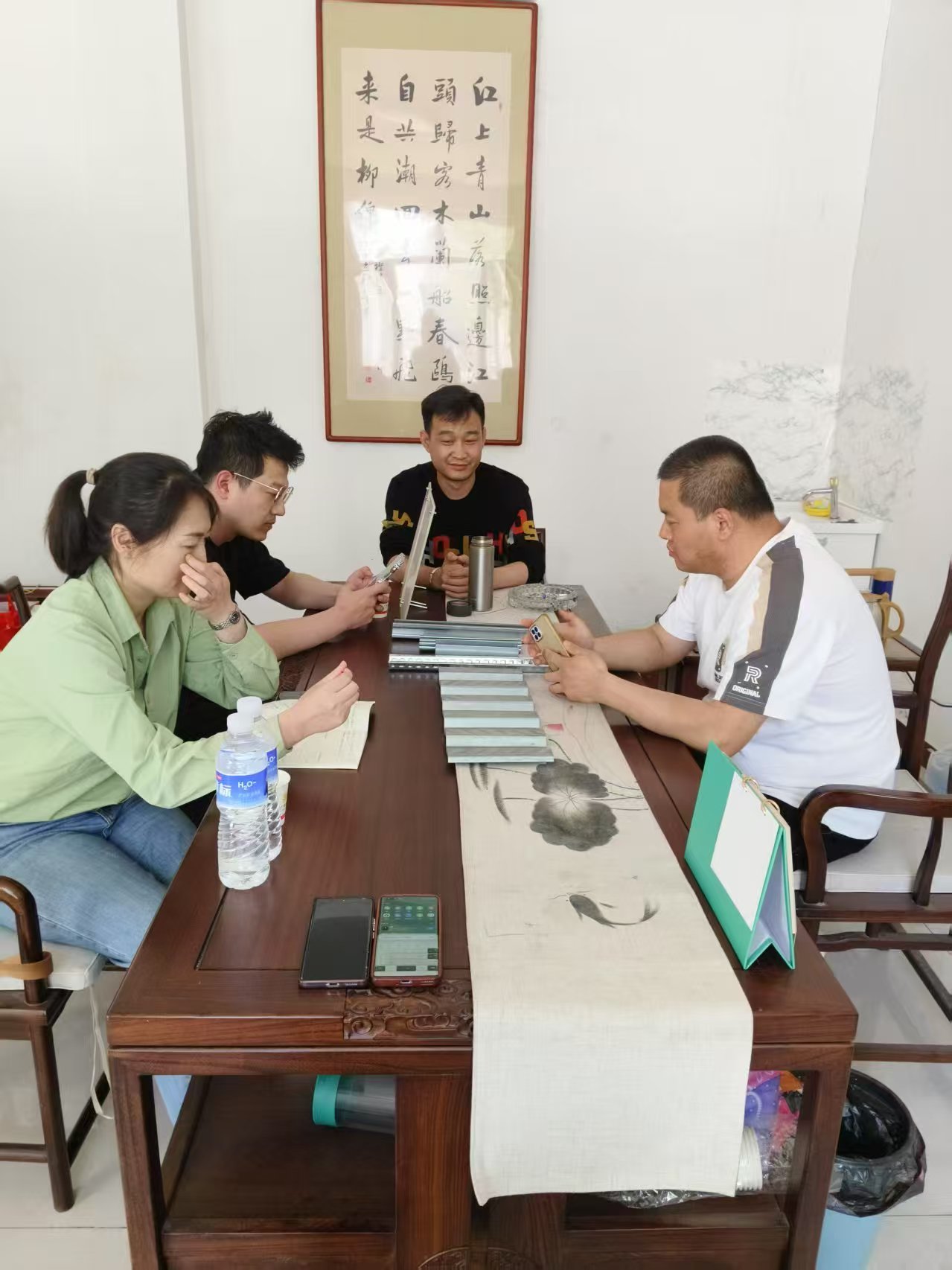
Recently, foreign trade personnel have conducted on-site learning on the company's equipment updates
Recently, foreign trade personnel have conducted on-site learning on the company's equipment updates
2025-05-15
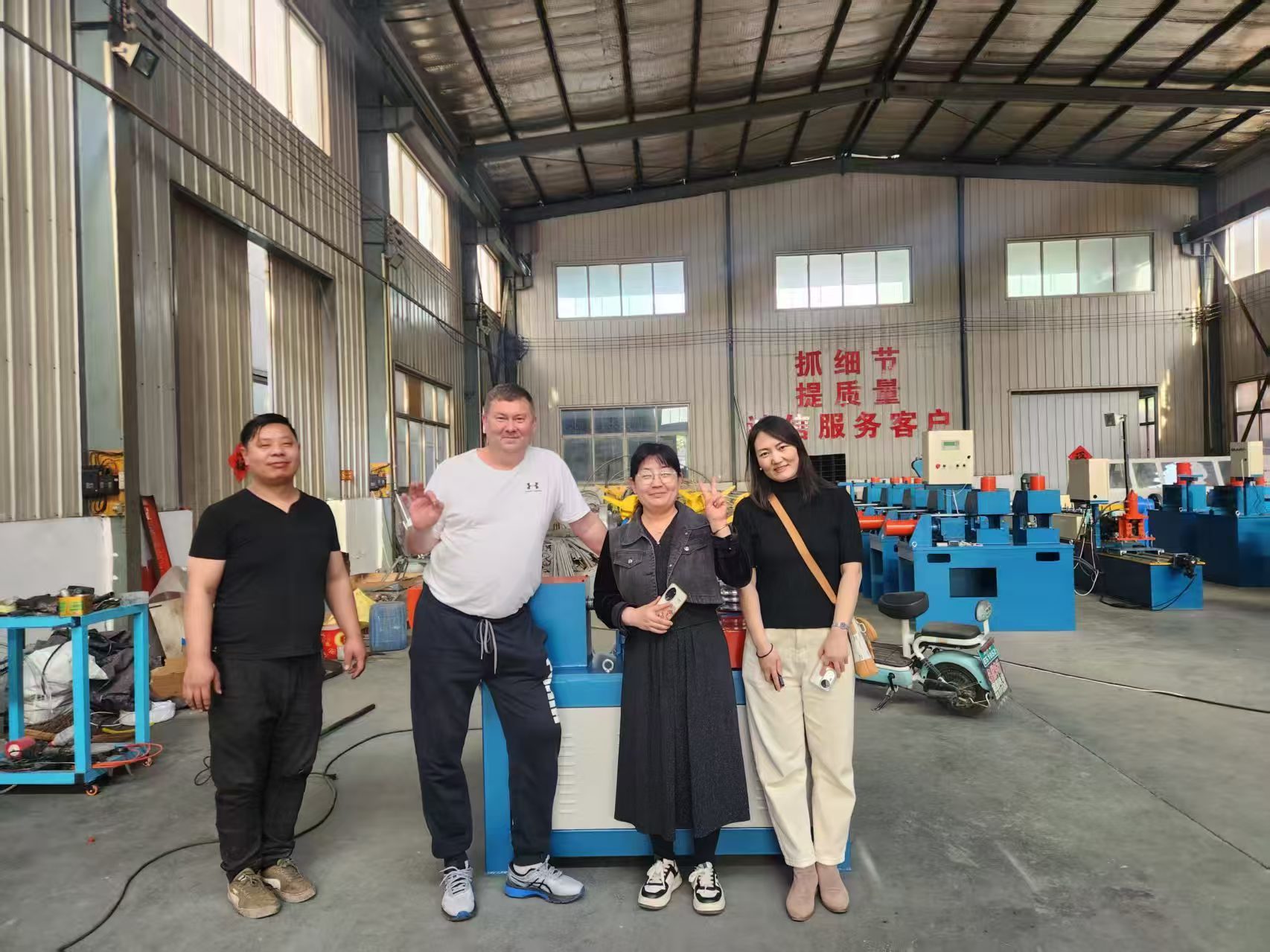
A customer from Inekhusko, Russia, took a 10-hour flight with multiple transfers to visit our factory and inspect the equipment they had previously ordered from our company.Our foreign trade staff warmly received the customer.
2025-04-24
Photovoltaic bracket equipment is a special bracket planned for the placement, installation.
2024-05-22


To inquire about our products, please leave your email to us and we will contact you within 24 hours.
Copyright:©Cangzhou Guangchi Machinery co., Ltd | Poweredby:300.cn | Privacy Policy
Business License