



How Guardrail Roll Forming Machines Revolutionize Metal Processing Techniques
2025-11-22
How Guardrail Roll Forming Machines Revolutionize Metal Processing Techniques
Table of Contents
1. Introduction to Guardrail Roll Forming Machines
2. What is Roll Forming?
3. Benefits of Guardrail Roll Forming Machines in Metal Processing
4. Applications of Guardrail Roll Forming Machines
5. Technological Advancements in Guardrail Roll Forming
6. Choosing the Right Guardra
How Guardrail Roll Forming Machines Revolutionize Metal Processing Techniques
Table of Contents
- 1. Introduction to Guardrail Roll Forming Machines
- 2. What is Roll Forming?
- 3. Benefits of Guardrail Roll Forming Machines in Metal Processing
- 4. Applications of Guardrail Roll Forming Machines
- 5. Technological Advancements in Guardrail Roll Forming
- 6. Choosing the Right Guardrail Roll Forming Machine
- 7. Maintenance and Optimization Strategies
- 8. Future Trends in Metal Processing with Guardrail Roll Forming Machines
- 9. Conclusion
- 10. Frequently Asked Questions
1. Introduction to Guardrail Roll Forming Machines
Guardrail roll forming machines have emerged as a critical component in the **metal processing industry**, revolutionizing how manufacturers produce metal components. These machines are designed to create **guardrails and other structural elements** efficiently and accurately, ensuring high-quality outputs. By employing innovative **roll forming techniques**, they not only enhance production speed but also maintain consistency in quality.
In this article, we will delve into the mechanics of guardrail roll forming machines, exploring their benefits, applications, and the advancing technology that shapes the future of metal processing.
2. What is Roll Forming?
Roll forming is a continuous bending operation in which a long strip of metal is fed through successive pairs of rolls, each performing a specific contouring operation. This method is particularly well-suited for producing complex cross-sections, such as **guardrails**, from materials like steel, aluminum, and other metals.
The **key advantages** of roll forming include:
- **Material Efficiency**: Minimizing scrap and maximizing material usage.
- **High Production Rates**: Capable of producing long runs of parts quickly and consistently.
- **Versatile Design**: Ability to create intricate shapes that are difficult to achieve through traditional machining.
3. Benefits of Guardrail Roll Forming Machines in Metal Processing
The integration of guardrail roll forming machines in the metal processing sector offers several substantial benefits:
3.1 Enhanced Production Efficiency
One of the most notable advantages is the **enhanced production efficiency**. With automated processes, manufacturers can produce large quantities of guardrails in shorter timeframes, significantly reducing labor costs and operational downtime.
3.2 Improved Quality Control
Guardrail roll forming machines ensure precision and repeatability. Each piece produced maintains uniform dimensions and tolerances, which is crucial for components used in safety applications such as road guardrails.
3.3 Cost-Effectiveness
The cost-effectiveness of roll forming is evident in the reduction of waste and the lower energy consumption associated with the process. By optimizing material usage, manufacturers can achieve significant savings over time.
3.4 Versatility in Design
Guardrail roll forming machines can accommodate various materials and designs. This versatility allows manufacturers to customize products to meet specific requirements, catering to both standard and unique applications.
4. Applications of Guardrail Roll Forming Machines
The applications of guardrail roll forming machines extend beyond simple guardrail production. Here are some key areas where these machines excel:
4.1 Highway Safety Systems
The primary application of guardrail roll forming machines is in the manufacturing of **highway safety barriers**. These barriers are crucial for protecting vehicles and pedestrians from hazards.
4.2 Structural Components for Buildings
In addition to highways, roll-formed guardrails find applications in constructing various structural components, providing both safety and aesthetic value in buildings.
4.3 Custom Fabrication
Manufacturers can utilize guardrail roll forming machines for **custom fabrication projects**. This application broadens the scope of what can be produced, allowing for unique solutions tailored to client specifications.
5. Technological Advancements in Guardrail Roll Forming
The landscape of guardrail roll forming is continually evolving due to technological advancements. Key innovations include:
5.1 Automation and Robotics
Automation has revolutionized the efficiency of guardrail roll forming machines. The incorporation of robotics reduces human error and increases production speed, allowing for 24/7 operations with minimal oversight.
5.2 Advanced Material Handling Systems
Modern guardrail roll forming machines come equipped with sophisticated material handling systems that streamline the process. These systems ensure that materials are fed into the machine efficiently, minimizing interruptions in the production workflow.
5.3 Smart Technology Integration
The integration of smart technology in guardrail roll forming machines enables real-time data collection and analysis. Manufacturers can monitor performance metrics, predict maintenance needs, and optimize production processes, leading to higher efficiency and lower operational costs.
6. Choosing the Right Guardrail Roll Forming Machine
Selecting the right guardrail roll forming machine is critical for maximizing productivity and efficiency. Here are several factors to consider:
6.1 Material Type and Thickness
Different machines are designed to handle various materials and thicknesses. Understanding the specific requirements of your projects will guide you in selecting the appropriate machine.
6.2 Production Volume Requirements
Consider the volume of production needed. High-output machines are ideal for large-scale operations, while smaller units may suffice for lower production runs.
6.3 Customization Capabilities
If your business requires unique designs, choose a machine that offers customization options. This flexibility can enhance your competitive edge in the market.
7. Maintenance and Optimization Strategies
To ensure the longevity and efficiency of guardrail roll forming machines, implementing effective maintenance strategies is essential.
7.1 Regular Inspection and Cleaning
Routine inspections and cleaning of machinery components prevent unexpected breakdowns and maintain optimal performance levels.
7.2 Upgrading Software and Controls
Keeping software and controls updated can improve machine performance. Many modern machines offer upgrade options that enhance functionality and efficiency.
7.3 Employee Training
Investing in employee training ensures that operators are skilled in the latest techniques and best practices, promoting safety and efficiency in the workplace.
8. Future Trends in Metal Processing with Guardrail Roll Forming Machines
The future of metal processing, particularly with guardrail roll forming machines, looks promising with several emerging trends:
8.1 Sustainability Initiatives
As industries focus on sustainability, guardrail roll forming machines can be optimized for energy efficiency and reduced waste, aligning with global environmental goals.
8.2 Increased Use of Advanced Materials
The metal processing industry is seeing a shift towards advanced materials, such as high-strength alloys. Guardrail roll forming machines equipped to handle these materials will become increasingly valuable.
8.3 Enhanced Customization and On-Demand Production
The demand for personalized products continues to rise. Future roll forming technologies will likely offer enhanced customization capabilities, facilitating on-demand production that meets diverse client needs.
9. Conclusion
Guardrail roll forming machines are pivotal in transforming metal processing techniques, delivering enhanced efficiency, precision, and versatility. As technology continues to advance, these machines will play an even more significant role in the manufacturing landscape, enabling businesses to meet the evolving demands of the market while maintaining high standards of quality and sustainability. Investing in guardrail roll forming technology is not just a trend; it’s a strategic move toward future-proofing your metal processing operations.
10. Frequently Asked Questions
1. What materials can be used in guardrail roll forming machines?
Guardrail roll forming machines can handle various materials, including steel, aluminum, and other metals, depending on the machine specifications.
2. How does roll forming compare to other manufacturing processes?
Roll forming is generally more efficient and produces less waste compared to traditional manufacturing processes like machining.
3. What types of guardrails can be produced?
Guardrail roll forming machines can produce various types of guardrails, including W-beam, thrie-beam, and other specialized designs.
4. How can I improve the efficiency of my roll forming machine?
Regular maintenance, operator training, and process optimization are crucial for enhancing the efficiency of roll forming machines.
5. What are the costs associated with purchasing a guardrail roll forming machine?
Costs can vary widely based on features, specifications, and production capabilities. It's essential to assess your specific needs and budget before making a decision.
Key words:
RELATED INFORMATION
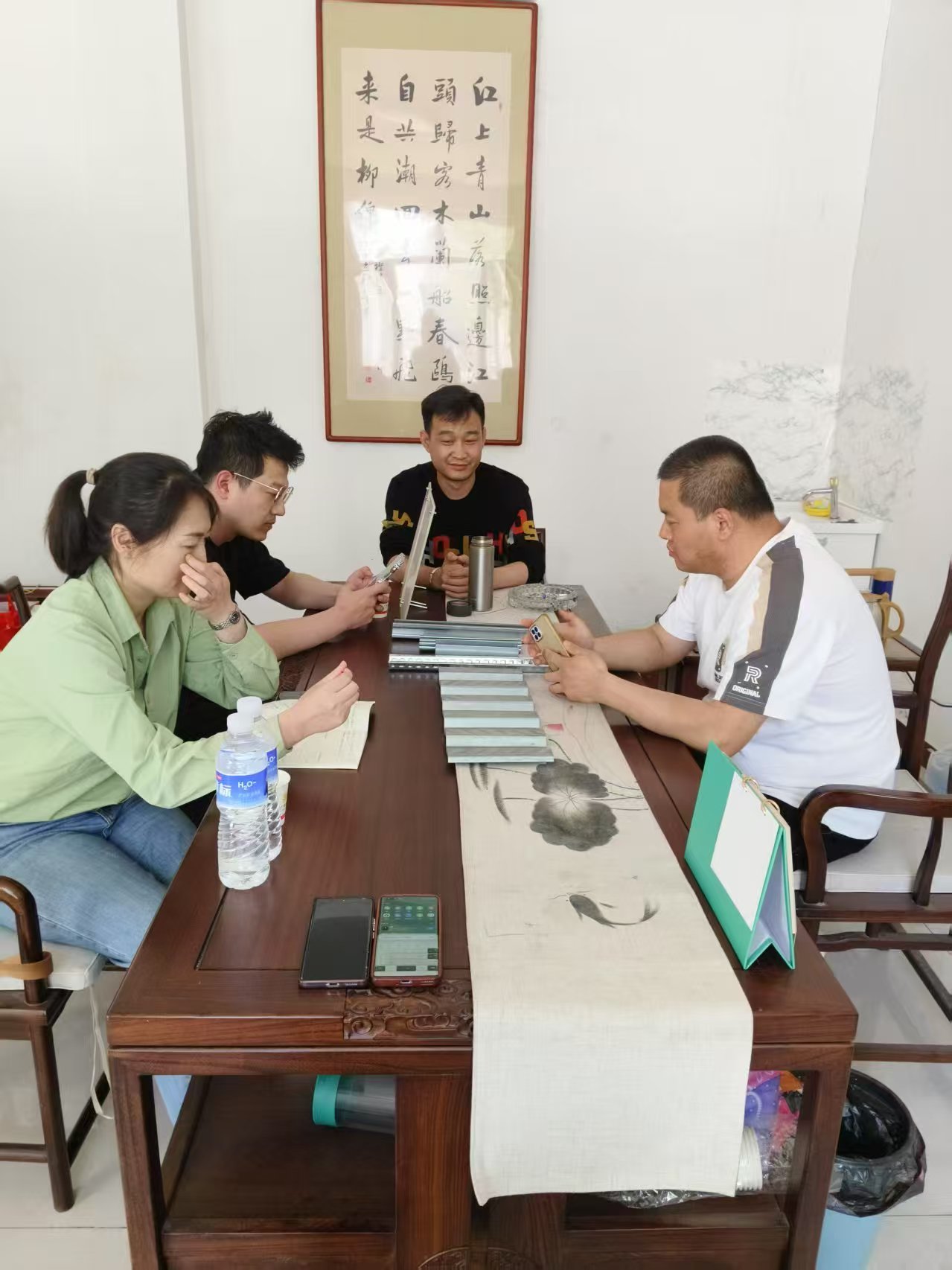
Recently, foreign trade personnel have conducted on-site learning on the company's equipment updates
Recently, foreign trade personnel have conducted on-site learning on the company's equipment updates
2025-05-15
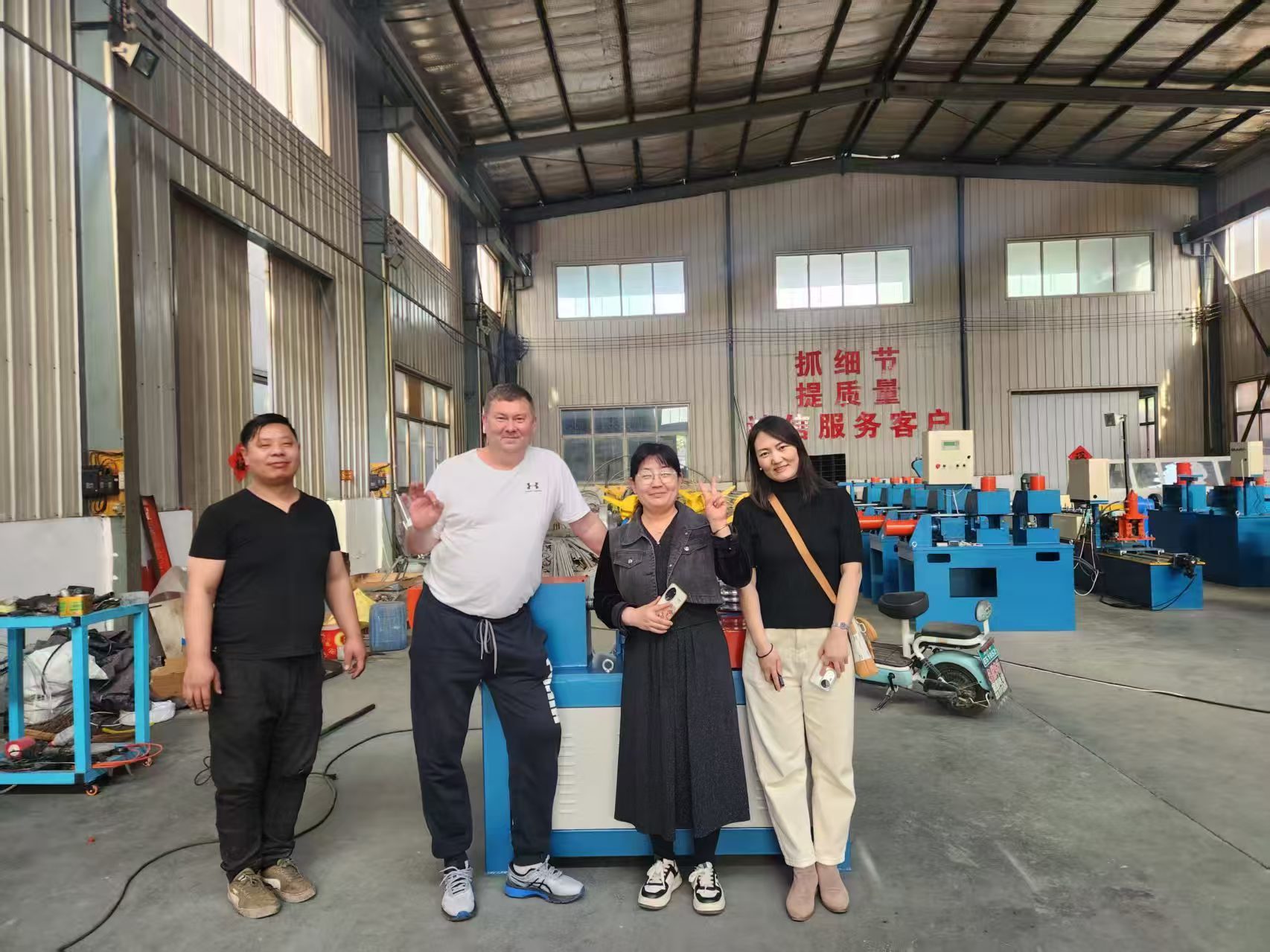
A customer from Inekhusko, Russia, took a 10-hour flight with multiple transfers to visit our factory and inspect the equipment they had previously ordered from our company.Our foreign trade staff warmly received the customer.
2025-04-24
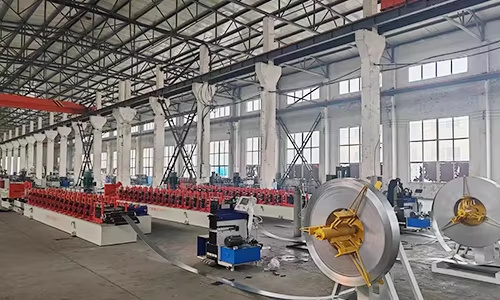
Photovoltaic bracket equipment is a special bracket planned for the placement, installation.
2024-05-22


To inquire about our products, please leave your email to us and we will contact you within 24 hours.
Copyright:©Cangzhou Guangchi Machinery co., Ltd | Poweredby:300.cn | Privacy Policy
Business License