



Understanding Pipe and Tube Bending Machines: A Key Component in Metal Fabrication
2025-10-04
In the realm of metal fabrication, pipe and tube bending machines serve as indispensable tools that streamline the production process. These machines are designed to bend pipes and tubes into various angles and shapes, catering to a wide array of industrial applications. Understanding their functionality and benefits can enhance operational efficiency and product quality in manufacturing.
Pipe and
In the realm of metal fabrication, pipe and tube bending machines serve as indispensable tools that streamline the production process. These machines are designed to bend pipes and tubes into various angles and shapes, catering to a wide array of industrial applications. Understanding their functionality and benefits can enhance operational efficiency and product quality in manufacturing.
Pipe and tube bending machines operate on the principle of applying force to bend materials without compromising their structural integrity. Typically, these machines utilize different bending methods such as rotary draw bending, roll bending, and mandrel bending. Each technique has its unique advantages, allowing manufacturers to select the most suitable method for specific applications.
Rotary draw bending is one of the most common techniques, where a pipe or tube is pulled around a die to achieve the desired angle. This method is ideal for producing precise bends and is widely used in industries that require high accuracy, such as automotive and aerospace. On the other hand, roll bending employs a series of rollers to gradually shape the material, making it suitable for larger diameter pipes or when creating gentle curves.
The versatility of pipe and tube bending machines extends to numerous applications across various sectors. For instance, they are crucial in the construction industry for creating frameworks, handrails, and architectural elements. Similarly, in the oil and gas sector, these machines are used to manufacture pipelines that transport essential resources. Their ability to produce complex shapes also makes them valuable in the production of furniture, automotive parts, and decorative items.
Investing in a quality pipe and tube bending machine can lead to significant benefits for manufacturers. Firstly, these machines can enhance productivity by reducing the time and labor required for manual bending operations. Additionally, accurate bending reduces material wastage, leading to cost savings over time. Furthermore, modern machines are often equipped with advanced features such as CNC (Computer Numerical Control), allowing for greater precision and repeatability in production.
When considering the purchase of a pipe and tube bending machine, it’s essential to assess the specific needs of your operations. Factors such as the types of materials to be processed, the required bending angles, and the volume of production should guide your decision-making process. Understanding these parameters will help ensure the selection of a machine that aligns with your manufacturing goals.
In conclusion, pipe and tube bending machines are vital in the metal processing industry, offering efficiency, accuracy, and versatility. By leveraging these machines, manufacturers can optimize their production processes, ultimately leading to improved product quality and reduced operational costs. Embracing this technology is a step towards staying competitive in the ever-evolving landscape of metal fabrication.
Pipe and tube bending machines operate on the principle of applying force to bend materials without compromising their structural integrity. Typically, these machines utilize different bending methods such as rotary draw bending, roll bending, and mandrel bending. Each technique has its unique advantages, allowing manufacturers to select the most suitable method for specific applications.
Rotary draw bending is one of the most common techniques, where a pipe or tube is pulled around a die to achieve the desired angle. This method is ideal for producing precise bends and is widely used in industries that require high accuracy, such as automotive and aerospace. On the other hand, roll bending employs a series of rollers to gradually shape the material, making it suitable for larger diameter pipes or when creating gentle curves.
The versatility of pipe and tube bending machines extends to numerous applications across various sectors. For instance, they are crucial in the construction industry for creating frameworks, handrails, and architectural elements. Similarly, in the oil and gas sector, these machines are used to manufacture pipelines that transport essential resources. Their ability to produce complex shapes also makes them valuable in the production of furniture, automotive parts, and decorative items.
Investing in a quality pipe and tube bending machine can lead to significant benefits for manufacturers. Firstly, these machines can enhance productivity by reducing the time and labor required for manual bending operations. Additionally, accurate bending reduces material wastage, leading to cost savings over time. Furthermore, modern machines are often equipped with advanced features such as CNC (Computer Numerical Control), allowing for greater precision and repeatability in production.
When considering the purchase of a pipe and tube bending machine, it’s essential to assess the specific needs of your operations. Factors such as the types of materials to be processed, the required bending angles, and the volume of production should guide your decision-making process. Understanding these parameters will help ensure the selection of a machine that aligns with your manufacturing goals.
In conclusion, pipe and tube bending machines are vital in the metal processing industry, offering efficiency, accuracy, and versatility. By leveraging these machines, manufacturers can optimize their production processes, ultimately leading to improved product quality and reduced operational costs. Embracing this technology is a step towards staying competitive in the ever-evolving landscape of metal fabrication.
Key words:
RELATED INFORMATION
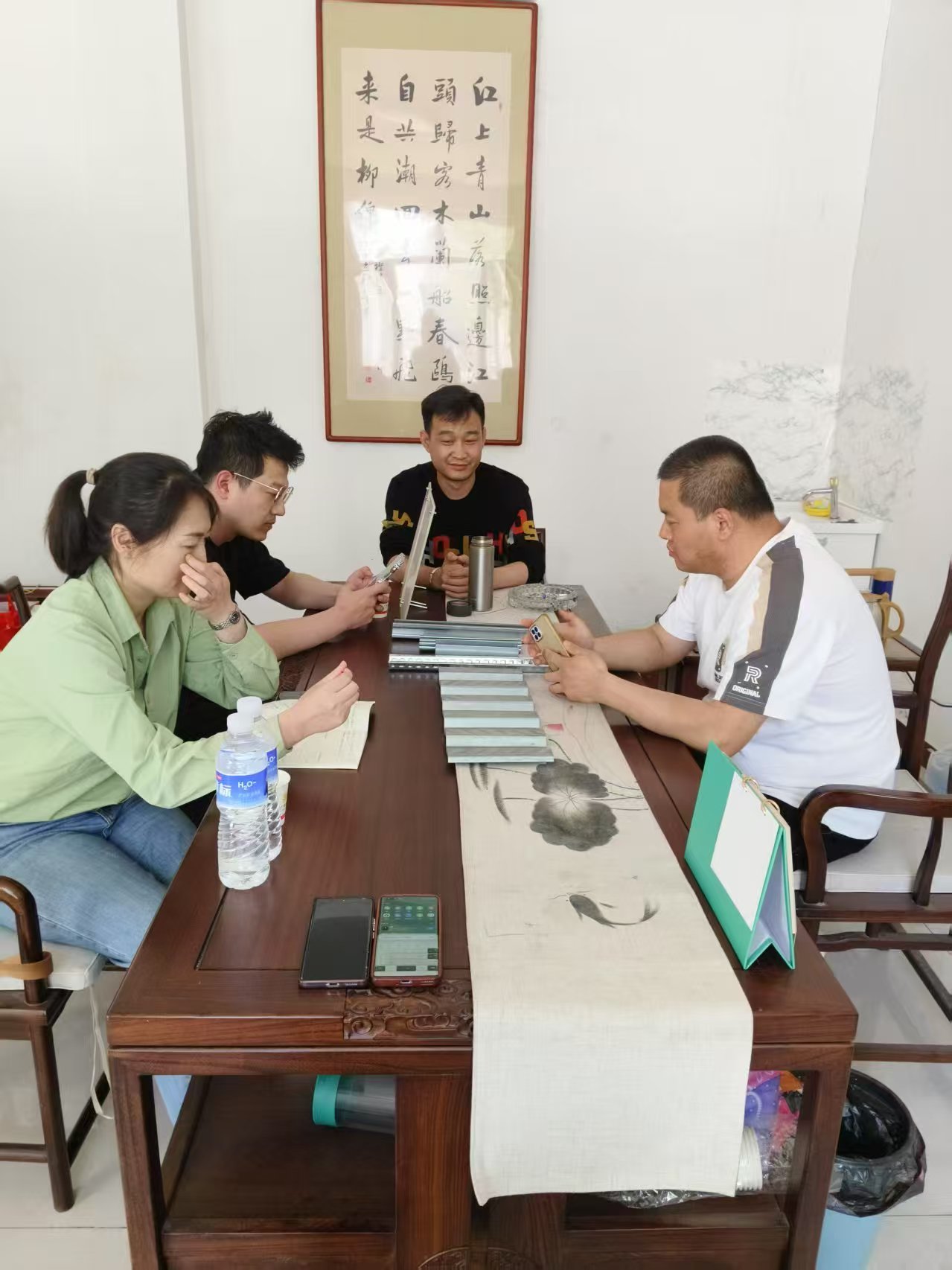
Recently, foreign trade personnel have conducted on-site learning on the company's equipment updates
Recently, foreign trade personnel have conducted on-site learning on the company's equipment updates
2025-05-15
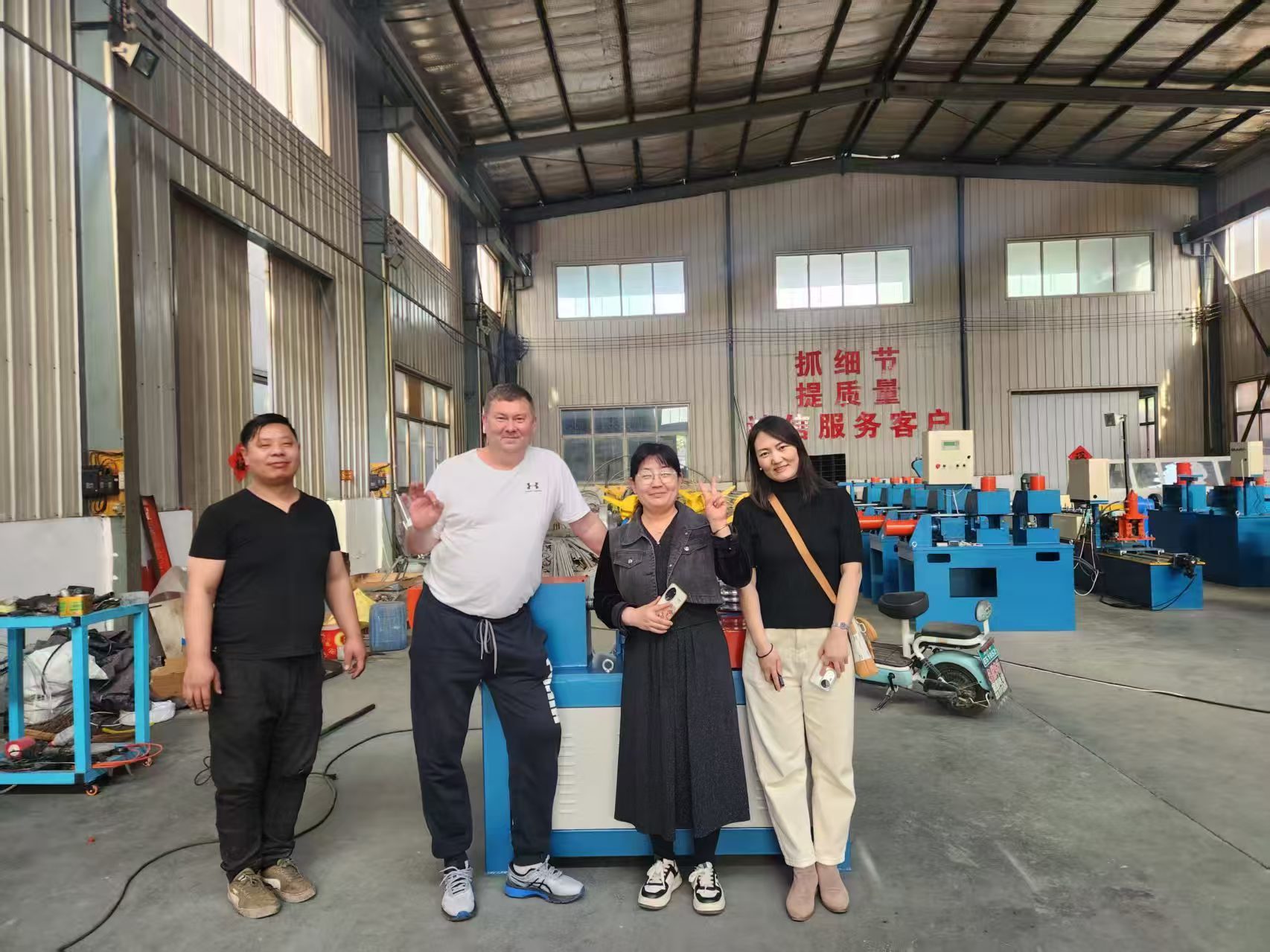
A customer from Inekhusko, Russia, took a 10-hour flight with multiple transfers to visit our factory and inspect the equipment they had previously ordered from our company.Our foreign trade staff warmly received the customer.
2025-04-24
Photovoltaic bracket equipment is a special bracket planned for the placement, installation.
2024-05-22


To inquire about our products, please leave your email to us and we will contact you within 24 hours.
Copyright:©Cangzhou Guangchi Machinery co., Ltd | Poweredby:300.cn | Privacy Policy
Business License