



Unlocking Efficiency: The Comprehensive Benefits of a Pipe and Tube Bending Machine
2025-09-25
Unlocking Efficiency: The Comprehensive Benefits of a Pipe and Tube Bending Machine
Table of Contents
1. Introduction: The Importance of Pipe and Tube Bending
2. What is Pipe and Tube Bending?
3. Types of Bending Techniques
3.1 Mandrel Bending
3.2 Compression Bending
3.3 Rotary Bending
4. Advantages of Using Pipe and Tube Bending Machines
4.1 Enha
Unlocking Efficiency: The Comprehensive Benefits of a Pipe and Tube Bending Machine
Table of Contents
- 1. Introduction: The Importance of Pipe and Tube Bending
- 2. What is Pipe and Tube Bending?
- 3. Types of Bending Techniques
- 4. Advantages of Using Pipe and Tube Bending Machines
- 5. Applications of Pipe and Tube Bending Machines
- 6. Choosing the Right Pipe and Tube Bending Machine
- 7. Maintenance and Care for Longevity
- 8. The Future of Bending Technologies
- 9. Frequently Asked Questions
- 10. Conclusion: Investing in the Future of Metalworking
1. Introduction: The Importance of Pipe and Tube Bending
In the manufacturing sector, efficiency is key to maintaining competitiveness. An essential element of production, particularly in metalworking, is the bending of pipes and tubes. As industries evolve, the need for advanced machinery, such as pipe and tube bending machines, has grown significantly. These machines not only enhance the efficiency of operations but also improve product quality, reduce waste, and offer significant cost savings.
2. What is Pipe and Tube Bending?
Pipe and tube bending is a manufacturing process that involves deforming a pipe or tube into a desired shape without compromising its structural integrity. This process is critical in various applications, including automotive, aerospace, and construction. The bending can achieve various angles and shapes, allowing for the creation of complex designs tailored to specific needs.
3. Types of Bending Techniques
Understanding the different bending techniques is crucial for selecting the right method for your production needs. The most common techniques include:
3.1 Mandrel Bending
Mandrel bending is a technique that utilizes a support rod (mandrel) inserted into the pipe or tube to prevent it from collapsing during the bending process. This method is ideal for creating tight bends and maintaining the structural integrity of the material.
3.2 Compression Bending
Compression bending involves pushing the pipe or tube into a die to create the desired bend. This method is suitable for producing larger radius bends and is commonly used in the production of exhaust systems and various framework applications.
3.3 Rotary Bending
In rotary bending, the pipe or tube is rotated while being held in place by a bending arm. This technique allows for precise control over the bend radius and angle, making it a popular choice for complex geometries and high-volume production.
4. Advantages of Using Pipe and Tube Bending Machines
Investing in a pipe and tube bending machine can yield numerous benefits for manufacturers. Here are some of the primary advantages:
4.1 Enhanced Efficiency
One of the most significant benefits of using a pipe and tube bending machine is the increased efficiency of the production process. These machines can automate the bending process, reducing manual labor and minimizing the time taken to complete tasks. As a result, manufacturers can produce more components within a shorter timeframe, effectively boosting productivity.
4.2 Cost-Effectiveness
In addition to enhancing efficiency, pipe and tube bending machines can lead to substantial cost savings. By reducing the amount of material wasted during production and minimizing labor costs, businesses can improve their bottom line. Furthermore, the durability and reliability of modern machines decrease maintenance costs and the need for frequent replacements.
4.3 Precision and Quality Control
Precision is paramount in manufacturing, particularly in industries where safety and reliability are critical. Pipe and tube bending machines are designed to provide high levels of accuracy, ensuring that each bend meets strict specifications. This precision leads to fewer errors, reduced rework, and ultimately higher quality products.
5. Applications of Pipe and Tube Bending Machines
The versatility of pipe and tube bending machines allows them to be used in various industries. Some common applications include:
- **Automotive Manufacturing:** Used for exhaust systems, chassis components, and other structural parts.
- **Aerospace Engineering:** Essential for producing fuel lines, hydraulic systems, and other critical components.
- **Construction:** Used for creating frameworks, handrails, and piping systems in buildings.
- **Marine Industry:** Employed in the construction of hulls and various piping systems in ships.
6. Choosing the Right Pipe and Tube Bending Machine
Selecting the appropriate machine requires careful consideration and understanding of your production needs.
6.1 Key Considerations
When choosing a pipe and tube bending machine, consider the following factors:
- **Material Type:** Different machines are designed to handle specific materials, such as aluminum, steel, or copper.
- **Bend Radius:** Evaluate the minimum and maximum bend radii that your applications require.
- **Production Volume:** Determine whether you need a machine suited for high-volume production or occasional use.
6.2 Leading Brands in the Market
Several reputable brands manufacture pipe and tube bending machines, including:
- **Baileigh Industrial:** Known for their high-quality machines that combine precision and durability.
- **Eagle Machinery:** Offers a range of machines designed for both small and large-scale operations.
- **Hofmann:** Focuses on innovative technologies to enhance productivity and efficiency.
7. Maintenance and Care for Longevity
Proper maintenance is essential to ensure the longevity and optimal performance of your pipe and tube bending machine. Implementing a regular maintenance schedule can help prevent breakdowns and extend the machine's lifespan. Key maintenance tips include:
- **Regular Lubrication:** Ensure that all moving parts are well-lubricated to minimize friction and wear.
- **Routine Inspections:** Conduct regular inspections to identify any signs of wear or damage.
- **Cleanliness:** Keep the machine clean to prevent the buildup of debris that can affect performance.
8. The Future of Bending Technologies
As technology advances, the future of pipe and tube bending machines looks promising. Innovations such as automation and artificial intelligence are transforming the industry. Smart machines equipped with sensors can monitor performance and provide real-time data, allowing for even greater efficiency and precision in metalworking.
9. Frequently Asked Questions
1. What factors should I consider when buying a pipe and tube bending machine?
When purchasing, consider the material type, required bend radius, production volume, and budget.
2. How do I maintain a pipe and tube bending machine?
Regular lubrication, routine inspections, and keeping the machine clean are crucial for maintenance.
3. Can these machines handle different materials?
Yes, depending on the machine's specifications, many can handle various materials such as aluminum, stainless steel, and copper.
4. What is the typical lifespan of a bending machine?
With proper maintenance, a quality bending machine can last many years, often exceeding 10 to 15 years.
5. Are there any safety precautions I should take when using a bending machine?
Always adhere to the manufacturer's safety guidelines, wear appropriate protective gear, and ensure the machine is properly secured before use.
10. Conclusion: Investing in the Future of Metalworking
In conclusion, a pipe and tube bending machine is an invaluable asset for any manufacturing operation. By unlocking efficiency through advanced technology, businesses can enhance productivity, reduce costs, and ensure high-quality results. Investing in the right machine not only streamlines operations but also positions companies for success in an ever-evolving industry. As we look towards the future, embracing new technologies and maintenance practices will ensure that these machines continue to play a crucial role in metalworking for years to come.
Key words:
RELATED INFORMATION
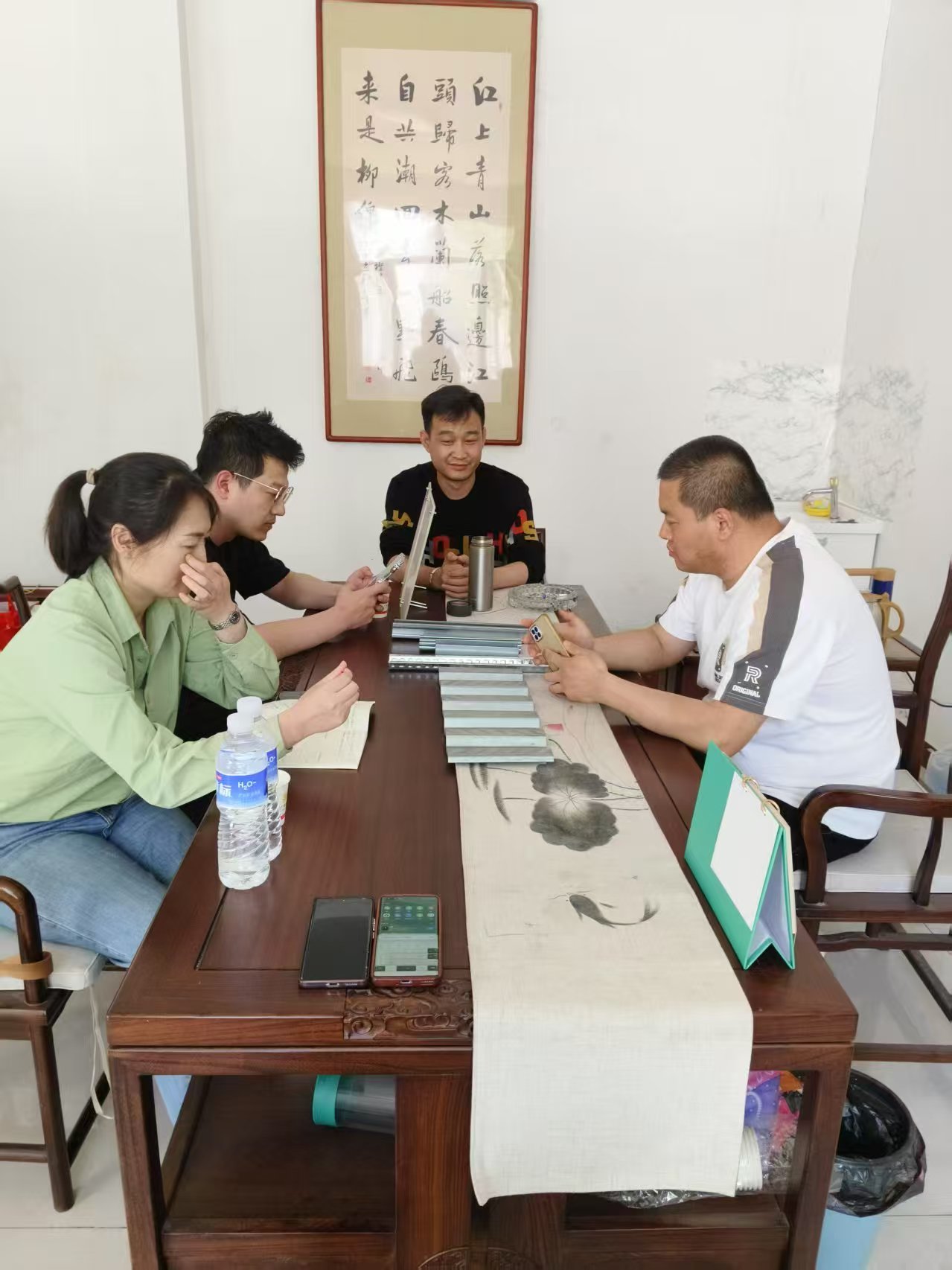
Recently, foreign trade personnel have conducted on-site learning on the company's equipment updates
Recently, foreign trade personnel have conducted on-site learning on the company's equipment updates
2025-05-15
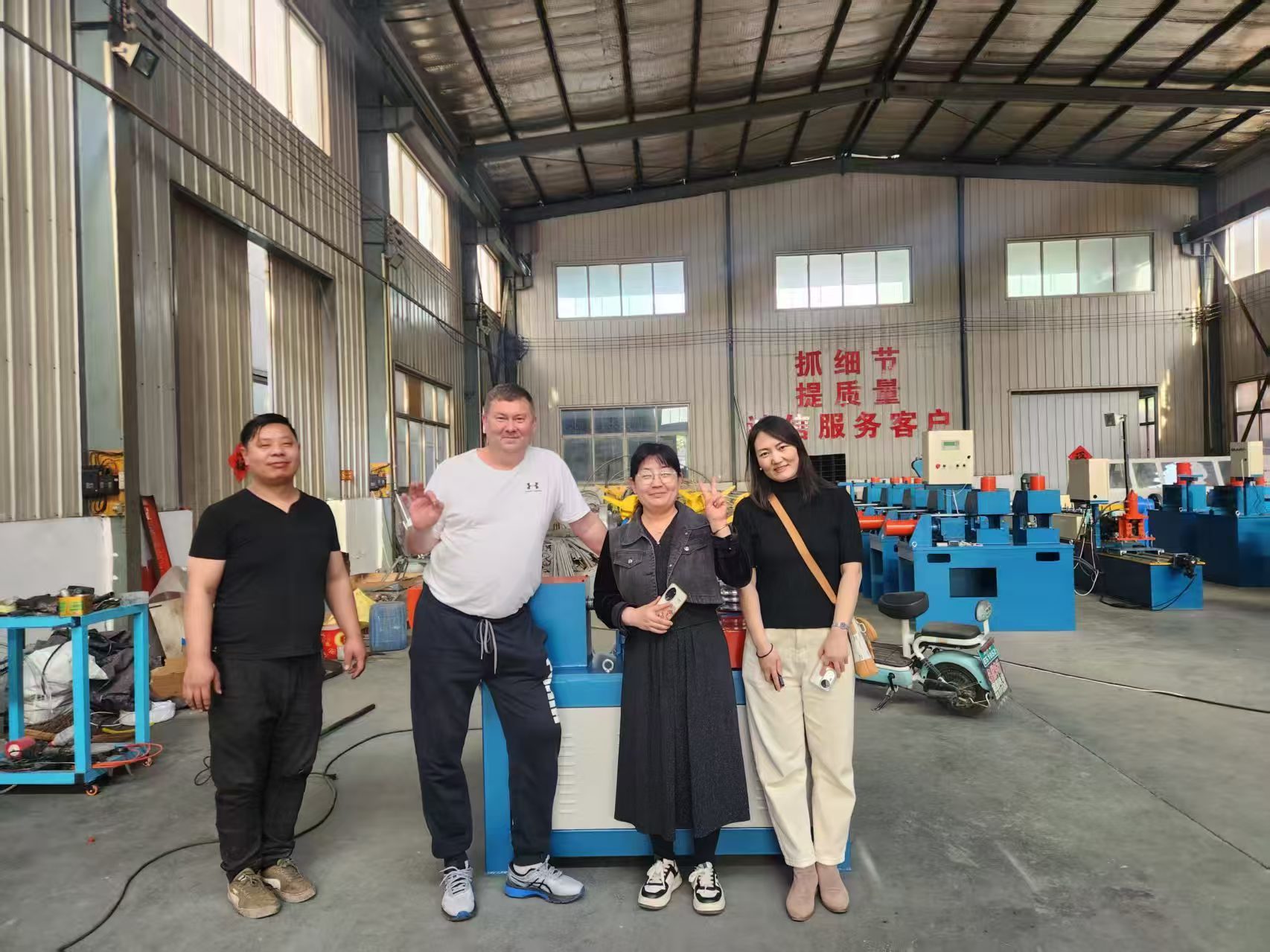
A customer from Inekhusko, Russia, took a 10-hour flight with multiple transfers to visit our factory and inspect the equipment they had previously ordered from our company.Our foreign trade staff warmly received the customer.
2025-04-24
Photovoltaic bracket equipment is a special bracket planned for the placement, installation.
2024-05-22


To inquire about our products, please leave your email to us and we will contact you within 24 hours.
Copyright:©Cangzhou Guangchi Machinery co., Ltd | Poweredby:300.cn | Privacy Policy
Business License