



The Future of Manufacturing: Innovations in Metal Strut Channel Roll Forming
2025-09-19
The Future of Manufacturing: Innovations in Metal Strut Channel Roll Forming
Table of Contents
Introduction to Metal Strut Channel Roll Forming
A Brief History of Metal Strut Channel Roll Forming
Technological Innovations in Roll Forming
Applications of Metal Strut Channels in Various Industries
Sustainability in Manufacturing: The Role of Metal Strut Channels
Key Benefits
The Future of Manufacturing: Innovations in Metal Strut Channel Roll Forming
Table of Contents
- Introduction to Metal Strut Channel Roll Forming
- A Brief History of Metal Strut Channel Roll Forming
- Technological Innovations in Roll Forming
- Applications of Metal Strut Channels in Various Industries
- Sustainability in Manufacturing: The Role of Metal Strut Channels
- Key Benefits of Modern Metal Strut Channel Roll Forming
- Challenges in Metal Strut Channel Manufacturing
- Future Trends in Metal Strut Channel Roll Forming
- Conclusion
- FAQs
Introduction to Metal Strut Channel Roll Forming
The manufacturing landscape is rapidly evolving, with metal strut channel roll forming at the forefront of this transformation. This innovative process allows for the efficient production of metal components used in numerous applications, from construction to automotive industries. By employing a continuous bending process, manufacturers can create intricate shapes and profiles that meet specific design requirements while optimizing material usage.
As we delve into the intricacies of metal strut channel roll forming, we will explore the innovations driving this sector forward, how they enhance production efficiency, and their implications for the future of manufacturing.
A Brief History of Metal Strut Channel Roll Forming
The origins of roll forming can be traced back to the early 20th century when manufacturers began seeking efficient methods to produce metal components. The roll forming process utilizes a series of rollers to progressively shape flat metal strips into desired profiles. Over the decades, advancements in tooling and machinery have refined this technique, allowing for greater precision and versatility.
Initially, the applications of roll-formed metal strut channels were limited. However, as industries recognized the benefits of this manufacturing method, the demand for roll-formed products surged. Today, metal strut channels are ubiquitous in construction, serving as essential supports for electrical conduits, plumbing, and HVAC systems, among others.
Technological Innovations in Roll Forming
Recent technological advancements have significantly transformed the metal strut channel roll forming landscape. Key innovations include:
1. Automation and Robotics
Automation plays a pivotal role in modern manufacturing. Automated roll forming machines equipped with robotics enable precise control over the production process. These machines can adjust parameters in real-time, ensuring optimal performance and reducing downtime.
2. CAD and CAM Integration
Computer-Aided Design (CAD) and Computer-Aided Manufacturing (CAM) technologies are revolutionizing the way manufacturers design and produce metal components. Integrating these technologies allows for rapid prototyping and the ability to produce complex designs with ease.
3. Advanced Materials
The introduction of high-strength materials has expanded the capabilities of metal strut channel roll forming. Manufacturers can now work with lighter yet more durable materials, enhancing the strength-to-weight ratio of the final products.
4. Smart Manufacturing
The rise of Industry 4.0 has ushered in smart manufacturing practices, incorporating IoT (Internet of Things) devices and data analytics. This connectivity enables manufacturers to monitor machines in real-time, predict maintenance needs, and optimize production schedules for improved efficiency.
Applications of Metal Strut Channels in Various Industries
Metal strut channels are versatile components used across multiple sectors, each requiring specific properties and functionalities. Some notable applications include:
1. Construction and Building Systems
In construction, metal strut channels are used for supporting electrical pathways, plumbing, and HVAC systems. They provide a robust framework that ensures structural integrity while allowing for easy installation and modification.
2. Automotive Industry
The automotive sector utilizes roll-formed metal strut channels for various components, from structural frames to mounting brackets. The lightweight nature of these channels contributes to fuel efficiency and overall vehicle performance.
3. Manufacturing and Equipment Support
In manufacturing facilities, metal strut channels are essential for creating support structures for machinery and equipment. They facilitate easy adjustments and additions, promoting flexibility in production layouts.
4. Telecommunications
Telecommunication companies rely on metal strut channels for mounting antennas and other equipment. The durability and corrosion resistance of these channels ensure longevity and reliability in outdoor environments.
Sustainability in Manufacturing: The Role of Metal Strut Channels
As industries move toward more sustainable practices, metal strut channel roll forming aligns well with eco-friendly initiatives. The benefits include:
1. Reduced Material Waste
The roll forming process is highly efficient, producing minimal scrap material compared to traditional manufacturing methods. This reduction in waste contributes to lower environmental impact.
2. Recyclability of Materials
Metal strut channels are often made from recyclable materials, allowing manufacturers to reprocess and reuse components at the end of their lifecycle. This circular approach supports sustainable manufacturing practices.
3. Energy Efficiency
Modern roll forming technologies are designed to be energy-efficient, reducing the overall carbon footprint of the manufacturing process. Companies are increasingly investing in energy-efficient machinery to meet sustainability goals.
Key Benefits of Modern Metal Strut Channel Roll Forming
The adoption of innovative roll forming techniques brings numerous advantages to manufacturers:
1. Cost-Effectiveness
Roll forming is a cost-effective manufacturing process, particularly for high-volume production. The continuous nature of the process minimizes labor costs and accelerates production timelines.
2. Design Flexibility
The intricate shapes and profiles achievable through roll forming provide designers with unprecedented flexibility. This adaptability allows for customized solutions tailored to specific project requirements.
3. Strength and Durability
Products created through metal strut channel roll forming exhibit high strength and durability. This resilience ensures that components can withstand rigorous usage, reducing the need for frequent replacements.
4. Simplified Assembly
The design of roll-formed metal strut channels often allows for snap-fit or easy assembly with minimal hardware. This streamlined process simplifies installation and reduces labor costs on-site.
Challenges in Metal Strut Channel Manufacturing
Despite the advantages, manufacturers face certain challenges in metal strut channel roll forming:
1. Equipment Costs
Investing in advanced roll forming machinery can be significant. Smaller manufacturers may struggle to afford the latest technology, potentially limiting their competitiveness.
2. Skill Gaps
The integration of advanced technologies requires a skilled workforce adept in both traditional manufacturing techniques and modern technologies. Addressing skill gaps through training and education is essential for industry growth.
3. Market Competition
As demand for roll-formed products increases, competition among manufacturers intensifies. Companies must continuously innovate to stay ahead in the market while maintaining quality and cost-effectiveness.
Future Trends in Metal Strut Channel Roll Forming
The future of metal strut channel roll forming is poised for exciting developments. Anticipated trends include:
1. Advanced Automation
The continued evolution of automation technologies will likely lead to more sophisticated machines capable of self-optimizing performance based on real-time data.
2. Enhanced Customization
As customer demands for tailored solutions grow, manufacturers will adopt technologies enabling rapid customization without sacrificing efficiency.
3. Sustainable Practices
The industry will increasingly prioritize sustainable manufacturing processes, focusing on reducing waste and energy consumption while maximizing recyclability.
4. Global Supply Chain Integration
Globalization will create opportunities for manufacturers to tap into new markets. Enhanced supply chain logistics will streamline processes and improve product availability.
Conclusion
The innovations in metal strut channel roll forming are reshaping the manufacturing landscape by enhancing efficiency, sustainability, and versatility in production. As industries continue to evolve, the integration of advanced technologies and smart manufacturing practices will drive the future of this sector. Embracing these innovations not only positions manufacturers for success in a competitive market but also aligns with global shifts toward sustainability and efficiency.
FAQs
1. What is metal strut channel roll forming?
Metal strut channel roll forming is a manufacturing process that continuously shapes flat metal strips into specific profiles using a series of rollers.
2. What industries commonly use metal strut channels?
Metal strut channels are widely used in construction, automotive, telecommunications, and manufacturing industries.
3. How does roll forming contribute to sustainability?
Roll forming reduces material waste, promotes the use of recyclable materials, and allows for energy-efficient production processes.
4. What are the benefits of using roll-formed products?
Roll-formed products offer cost-effectiveness, design flexibility, strength, durability, and simplified assembly.
5. What challenges do manufacturers face in this industry?
Manufacturers face equipment costs, skill gaps, and increased market competition in the metal strut channel roll forming sector.
Key words:
RELATED INFORMATION
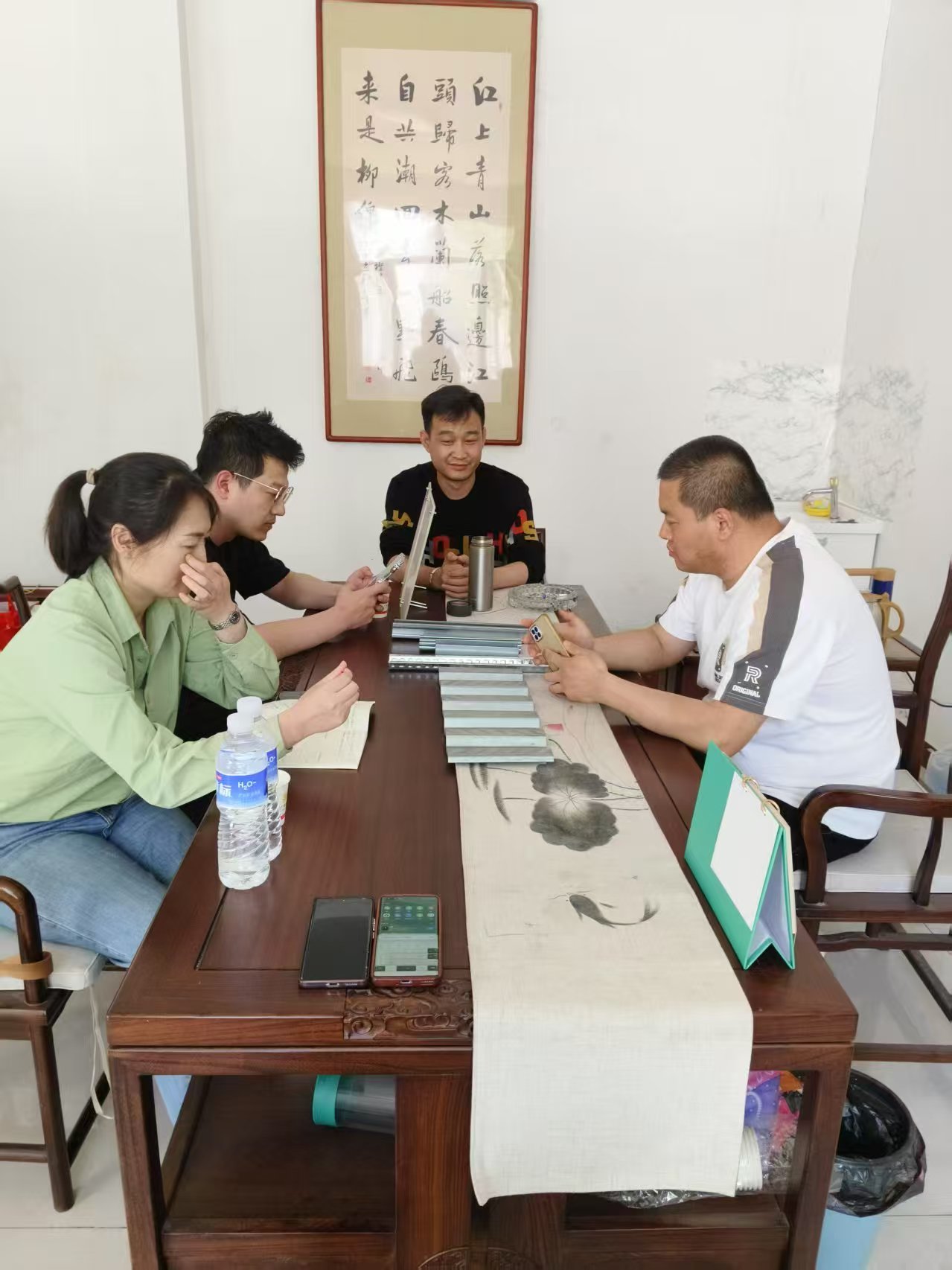
Recently, foreign trade personnel have conducted on-site learning on the company's equipment updates
Recently, foreign trade personnel have conducted on-site learning on the company's equipment updates
2025-05-15
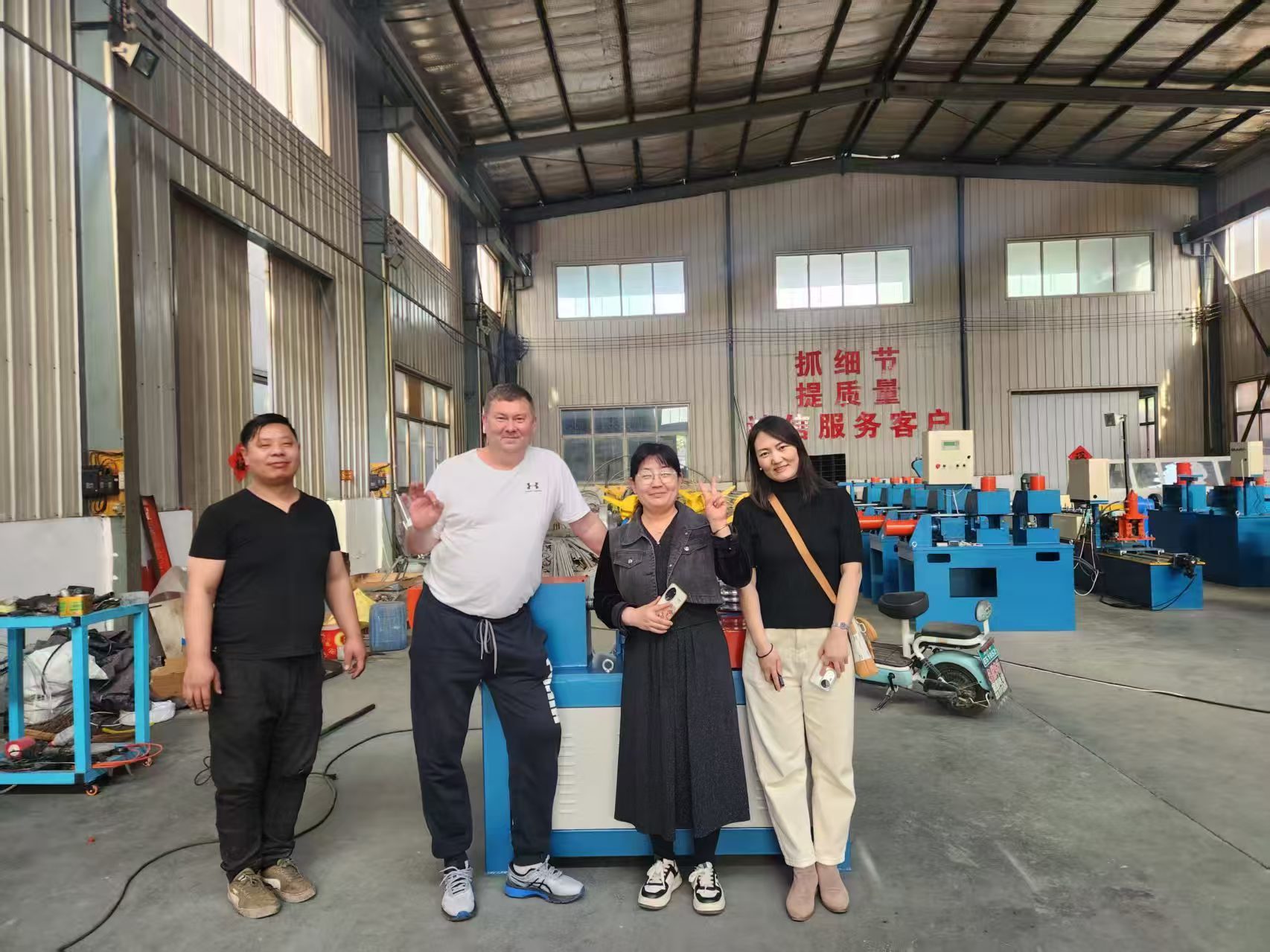
A customer from Inekhusko, Russia, took a 10-hour flight with multiple transfers to visit our factory and inspect the equipment they had previously ordered from our company.Our foreign trade staff warmly received the customer.
2025-04-24
Photovoltaic bracket equipment is a special bracket planned for the placement, installation.
2024-05-22


To inquire about our products, please leave your email to us and we will contact you within 24 hours.
Copyright:©Cangzhou Guangchi Machinery co., Ltd | Poweredby:300.cn | Privacy Policy
Business License