



Unlocking Efficiency: How Metal Strut Channel Roll Forming Machines Transform Production
2025-09-13
Unlocking Efficiency: How Metal Strut Channel Roll Forming Machines Transform Production
Table of Contents
Introduction to Metal Strut Channel Roll Forming Machines
Understanding Roll Forming Technology
Benefits of Using Metal Strut Channel Roll Forming Machines
Applications of Roll Forming Machines in Various Industries
Key Features of Modern Metal Strut Channel Roll Forming
Unlocking Efficiency: How Metal Strut Channel Roll Forming Machines Transform Production
Table of Contents
- Introduction to Metal Strut Channel Roll Forming Machines
- Understanding Roll Forming Technology
- Benefits of Using Metal Strut Channel Roll Forming Machines
- Applications of Roll Forming Machines in Various Industries
- Key Features of Modern Metal Strut Channel Roll Forming Machines
- Choosing the Right Roll Forming Machine for Your Needs
- Maintenance and Support for Optimal Performance
- Future Trends in Roll Forming Technology
- Conclusion
- FAQs
Introduction to Metal Strut Channel Roll Forming Machines
In today’s manufacturing landscape, efficiency and precision are paramount. **Metal strut channel roll forming machines** have emerged as a pivotal innovation, transforming how industrial components are produced. These machines utilize a specialized process to create strong, lightweight metal channels that are essential in various construction and manufacturing applications. By automating production, they not only enhance productivity but also improve material utilization, leading to significant cost savings.
Understanding Roll Forming Technology
Roll forming is a continuous bending operation that transforms flat metal sheets into desired shapes through a series of rollers. This method is particularly advantageous for producing long sections of metal components with uniform cross-sections. The process begins with a flat strip of metal being fed through a series of rollers that gradually shape the metal into the final profile.
How Roll Forming Works
1. **Material Selection**: High-quality metal sheets, such as steel or aluminum, are chosen based on strength and application requirements.
2. **Pre-Processing**: The metal strips may undergo pre-treatment processes like cleaning and coating to ensure optimal adhesion and performance.
3. **Roll Setup**: Rollers are precisely positioned to form the desired channel shape, with adjustments made to accommodate different thicknesses and widths.
4. **Continuous Forming**: The metal is continuously guided through the rollers, with each pass shaping it closer to the final design.
5. **Cutting and Finishing**: Once the desired length is achieved, the formed channel is cut to size, completing the production process.
Benefits of Using Metal Strut Channel Roll Forming Machines
Metal strut channel roll forming machines provide a plethora of benefits that enhance production efficiency:
1. Increased Production Speed
These machines operate continuously, allowing for the rapid production of metal strut channels. This efficiency leads to shorter lead times and the ability to meet high-volume demands.
2. Consistent Quality and Precision
With automated processes, roll forming machines produce identical components with high accuracy. This consistency is crucial in industries where quality standards are stringent.
3. Versatility in Design
Modern roll forming machines can create a wide array of profiles and sizes, making them adaptable to the unique requirements of various projects.
4. Material Efficiency
Roll forming minimizes waste by utilizing the entire length of the metal sheet, thus reducing material costs and promoting sustainability.
5. Reduced Labor Costs
Automation reduces the need for manual labor, freeing up skilled workers for more complex tasks and lowering overall labor costs.
Applications of Roll Forming Machines in Various Industries
Metal strut channel roll forming machines find applications across numerous sectors, underscoring their versatility and importance.
1. Construction Industry
In construction, metal strut channels are primarily used as support systems for electrical, plumbing, and HVAC installations. Their lightweight yet sturdy design makes them ideal for various structural applications.
2. Automotive Manufacturing
The automotive industry utilizes roll formed components for brackets, frames, and other structural elements, benefiting from the lightweight nature of metal struts.
3. Furniture Manufacturing
Metal strut channels are often incorporated into furniture designs, providing structural integrity and aesthetic appeal in items such as shelving and support frames.
4. Electrical Systems
Roll formed strut channels serve as essential components for mounting electrical conduits, ensuring safe and efficient wiring solutions.
5. Aerospace Applications
The aerospace sector employs roll formed materials due to their strength-to-weight ratio, making them suitable for aircraft components and structures.
Key Features of Modern Metal Strut Channel Roll Forming Machines
Investing in a metal strut channel roll forming machine involves understanding the essential features that contribute to its performance and efficiency.
1. Automated Controls
Advanced machines are equipped with computerized controls that allow for precise adjustments and monitoring of the roll forming process, ensuring optimal output.
2. High-Speed Operation
Modern roll forming machines are designed for high-speed operation, significantly reducing production times without compromising quality.
3. Modular Design
Many contemporary machines feature a modular design, allowing for easy upgrades and modifications to accommodate new profiles or production requirements.
4. Safety Features
Safety is paramount in manufacturing environments. Modern machines include safety guards, emergency stops, and automated shut-off systems to protect operators.
5. Energy Efficiency
With rising energy costs, newer machines are designed to minimize energy consumption while maintaining high productivity levels.
Choosing the Right Roll Forming Machine for Your Needs
Selecting the appropriate metal strut channel roll forming machine is crucial for maximizing efficiency and meeting production goals. Consider the following factors:
1. Production Volume Requirements
Assess your expected production volumes. High-volume operations may require machines designed for speed and durability, while lower volumes may benefit from more versatile models.
2. Material Types and Thicknesses
Different machines are optimized for specific materials and thickness ranges. Ensure that the machine you choose can handle the materials you plan to use.
3. Profile Complexity
Consider the complexity of the profiles you need to produce. Some machines are better suited for intricate designs, while others excel in straightforward shapes.
4. Budget Considerations
While it may be tempting to choose the cheapest option, investing in a quality machine can save you money in the long run through increased efficiency and reduced waste.
5. Manufacturer Reputation
Research manufacturers and their reputations. Choose companies that offer reliable machines and robust customer support services.
Maintenance and Support for Optimal Performance
Maintaining your metal strut channel roll forming machine is essential for longevity and consistent performance.
1. Regular Inspections
Schedule routine inspections to identify wear and tear early, preventing larger issues from developing.
2. Lubrication
Keep moving parts well-lubricated to reduce friction and prolong the life of the machine.
3. Operator Training
Ensure that operators are adequately trained in machine operation and maintenance procedures to minimize the risk of accidents and equipment damage.
4. Spare Parts Availability
Choose machines from manufacturers that provide easy access to spare parts to facilitate quick repairs and minimize downtime.
5. Technical Support
Opt for suppliers who offer comprehensive technical support and service agreements to address any operational issues promptly.
Future Trends in Roll Forming Technology
The future of metal strut channel roll forming machines looks promising, with several trends shaping the industry.
1. Integration of Industry 4.0
The rise of smart manufacturing is leading to the integration of IoT technology in roll forming machines, enabling real-time monitoring and predictive maintenance.
2. Enhanced Customization
Manufacturers are increasingly focusing on customization options, allowing clients to tailor machines to meet specific production requirements.
3. Sustainable Practices
The push for sustainability in manufacturing is driving innovations that reduce waste and enhance energy efficiency in roll forming processes.
4. Advanced Materials
Research into new materials, including lightweight composites, will expand the applications and capabilities of roll forming technology.
5. Automation and Robotics
The incorporation of robotics in roll forming operations will further streamline production processes and reduce labor costs.
Conclusion
Metal strut channel roll forming machines represent a transformative innovation in modern manufacturing. By enhancing efficiency, quality, and versatility, these machines are essential in various industries, from construction to automotive. Investing in the right machinery, coupled with effective maintenance and support, positions businesses to thrive in a competitive marketplace while adapting to future trends in technology. Embracing these advancements will undoubtedly unlock new levels of productivity and profitability.
FAQs
1. What materials can be used in metal strut channel roll forming machines?
Common materials include steel, aluminum, and various alloys, depending on the specific application requirements.
2. How fast can roll forming machines produce metal strut channels?
Production speeds can vary greatly, but many modern machines can operate at rates exceeding 30 meters per minute.
3. Can roll forming machines produce custom profiles?
Yes, many roll forming machines can be customized to produce unique profiles tailored to specific project needs.
4. What is the typical lifespan of a roll forming machine?
With proper maintenance, a roll forming machine can last 15 years or more, depending on usage and quality.
5. Are roll forming machines energy-efficient?
Many modern machines are designed with energy efficiency in mind, significantly reducing operational costs over time.
Key words:
RELATED INFORMATION
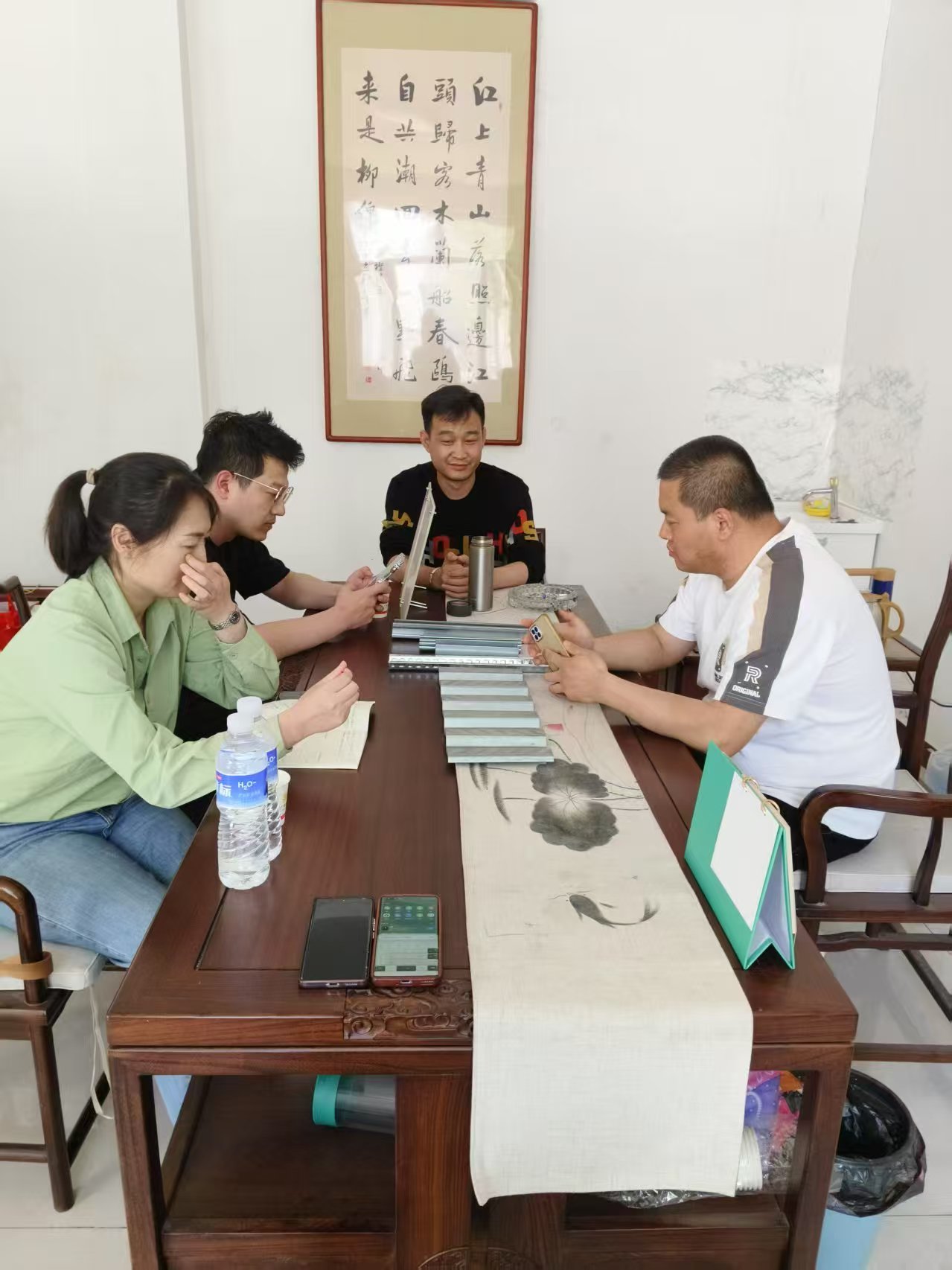
Recently, foreign trade personnel have conducted on-site learning on the company's equipment updates
Recently, foreign trade personnel have conducted on-site learning on the company's equipment updates
2025-05-15
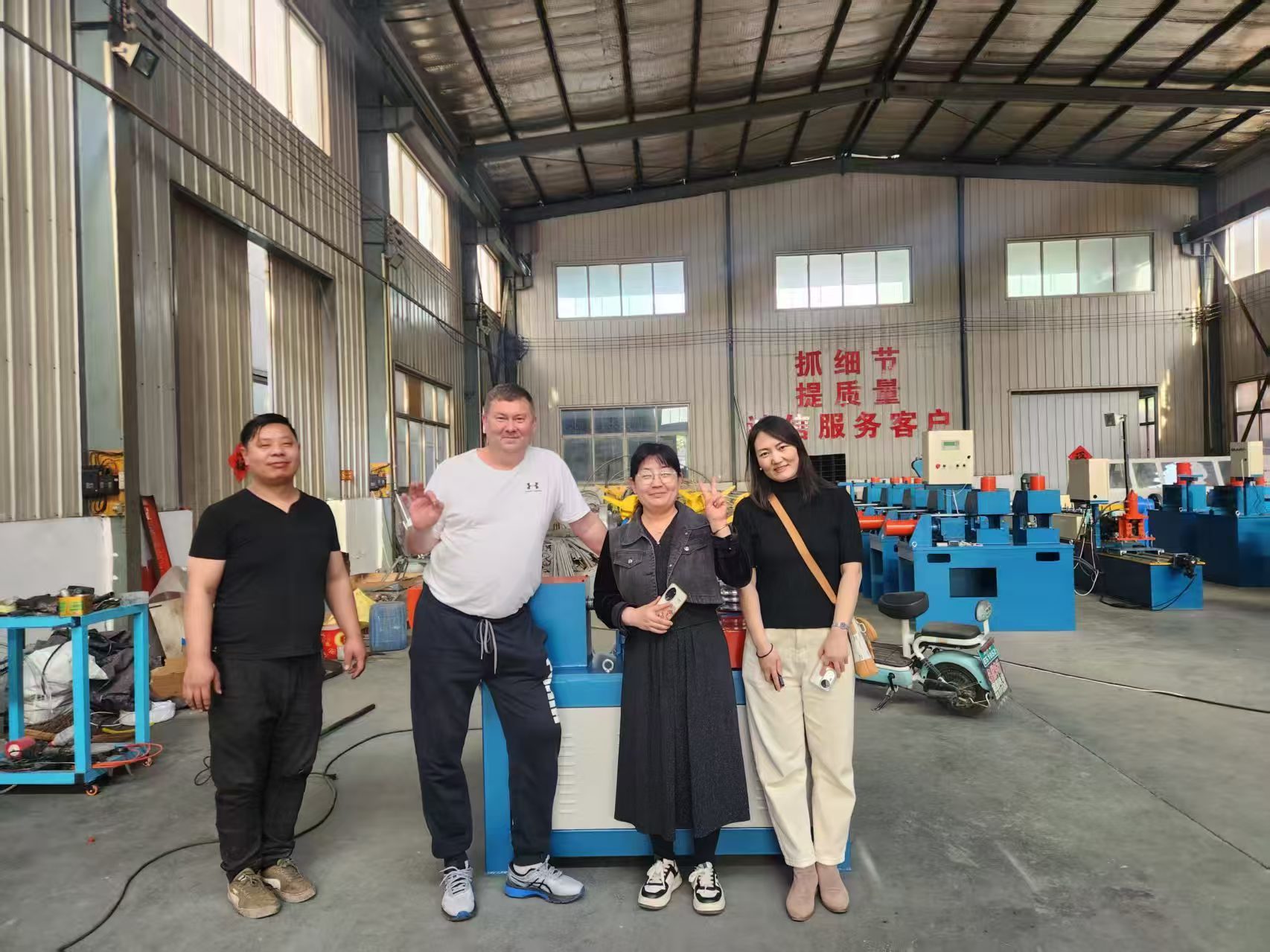
A customer from Inekhusko, Russia, took a 10-hour flight with multiple transfers to visit our factory and inspect the equipment they had previously ordered from our company.Our foreign trade staff warmly received the customer.
2025-04-24
Photovoltaic bracket equipment is a special bracket planned for the placement, installation.
2024-05-22


To inquire about our products, please leave your email to us and we will contact you within 24 hours.
Copyright:©Cangzhou Guangchi Machinery co., Ltd | Poweredby:300.cn | Privacy Policy
Business License