



Transforming Metal: The Essential Guide to Highway Guardrail Forming Machines
2025-05-16
Transforming Metal: The Essential Guide to Highway Guardrail Forming Machines
Table of Contents
Introduction to Highway Guardrail Forming Machines
Understanding the Metal Forming Process
Types of Highway Guardrail Forming Machines
Roll Forming Machines
Punching Machines
Welding Machines
Key Features and Specifications of Formin
Transforming Metal: The Essential Guide to Highway Guardrail Forming Machines
Table of Contents
- Introduction to Highway Guardrail Forming Machines
- Understanding the Metal Forming Process
- Types of Highway Guardrail Forming Machines
- Key Features and Specifications of Forming Machines
- The Production Process of Guardrails
- Benefits of Using Highway Guardrail Forming Machines
- Advanced Technologies in Metal Forming
- Maintenance and Future Trends in Guardrail Forming
- Conclusion
- FAQs about Highway Guardrail Forming Machines
Introduction to Highway Guardrail Forming Machines
Highway guardrail forming machines are an integral part of road safety infrastructure. As road traffic continues to increase, the demand for effective guardrail systems has surged. These machines are designed to transform raw metal into robust guardrails that prevent vehicles from veering off the roadway, thus reducing the risk of accidents. In this guide, we delve into the intricacies of guardrail forming machines, highlighting their importance, types, features, and much more.
Understanding the Metal Forming Process
Metal forming is a manufacturing process that involves shaping and reshaping metal materials into desired forms. This process is crucial in producing guardrails, as it ensures that the final product meets safety and durability standards. The metal forming process can involve various techniques, including bending, rolling, and machining, each playing a specific role in creating the final guardrail product.
The Importance of Precision in Metal Forming
Precision is paramount in the metal forming process. Any discrepancies in measurements can lead to weak points in guardrails, compromising safety. Highway guardrail forming machines utilize advanced technologies that ensure precision and accuracy throughout the production process, contributing to the overall integrity of road safety systems.
Types of Highway Guardrail Forming Machines
Highway guardrail forming machines come in various types, each designed for specific processes and applications. Understanding these different types can help manufacturers select the right machine for their needs.
Roll Forming Machines
Roll forming machines are widely used in the production of guardrails. This process involves passing a continuous strip of metal through a series of rollers that progressively shape the metal into the desired profile. Roll forming is efficient and allows for high production rates, making it ideal for large-scale manufacturing.
Punching Machines
Punching machines are essential for creating holes in guardrails for mounting and assembly. These machines use a punch and die set to create precise holes, ensuring that the guardrails can be securely attached to posts and other structures. The accuracy of punching machines is critical to maintaining the guardrail's structural integrity.
Welding Machines
Welding machines play a vital role in the assembly of guardrails. They join different sections of metal together to create a continuous guardrail. Various welding techniques, including MIG, TIG, and spot welding, can be employed, depending on the materials used and the design of the guardrail.
Key Features and Specifications of Forming Machines
When selecting highway guardrail forming machines, manufacturers must consider various features and specifications that impact performance and efficiency. Key considerations include:
Production Capacity
The production capacity of a forming machine determines how many guardrails can be produced within a given timeframe. Machines with higher production capacities can significantly reduce lead times and meet the growing demand for guardrails.
Material Compatibility
Different forming machines are designed to work with specific types of metals, such as steel or aluminum. Understanding the material compatibility of a forming machine is crucial for achieving the desired outcome.
Automation and Control Systems
Modern forming machines often come equipped with advanced automation and control systems that enhance ease of use and efficiency. Features like programmable logic controllers (PLCs) allow for precise control over the forming process, reducing the risk of errors.
Safety Features
Safety is a key consideration in any manufacturing environment. Highway guardrail forming machines should incorporate safety features, such as emergency stop buttons and safety enclosures, to protect operators during the production process.
The Production Process of Guardrails
The production process of guardrails involves several critical steps, each designed to ensure the final product meets stringent safety standards.
Step 1: Material Preparation
The process begins with the selection and preparation of raw materials. Steel sheets are typically used, which are cut to specific dimensions for further processing.
Step 2: Forming and Shaping
Once the materials are prepared, they are fed into the forming machine where they undergo various shaping processes, including roll forming and punching, to achieve the desired profiles and features.
Step 3: Welding and Assembly
After the shaping process, the individual sections of the guardrail are welded together. This step is crucial for ensuring the structural integrity of the guardrail.
Step 4: Quality Control
Quality control is vital in the production of guardrails. Finished products undergo rigorous testing to ensure they meet safety standards and specifications.
Step 5: Packaging and Distribution
Finally, the guardrails are packaged for distribution. Proper packaging is essential to protect the guardrails during transportation and storage.
Benefits of Using Highway Guardrail Forming Machines
Utilizing highway guardrail forming machines offers numerous benefits for manufacturers and road safety agencies:
Increased Efficiency
Highway guardrail forming machines significantly enhance production efficiency, allowing manufacturers to meet large orders within shorter timeframes.
Improved Quality
The precision provided by modern forming machines ensures consistent quality in guardrail production, reducing the risk of defects.
Cost-Effectiveness
Investing in advanced forming machines can lead to long-term cost savings by reducing labor costs and minimizing material waste.
Advanced Technologies in Metal Forming
The metal forming industry is continually evolving, with new technologies enhancing production processes.
Automation and Smart Manufacturing
The integration of automation and smart manufacturing technologies has transformed the way guardrails are produced. Automated systems allow for real-time monitoring and adjustments, improving overall efficiency.
3D Printing in Guardrail Production
Emerging technologies like 3D printing are beginning to make their mark in metal forming. This innovative approach can streamline the prototyping process and reduce lead times for new designs.
Maintenance and Future Trends in Guardrail Forming
Maintaining highway guardrail forming machines is crucial for ensuring longevity and optimal performance.
Regular Maintenance Practices
Regular maintenance practices, such as lubrication and part inspections, can prevent breakdowns and extend the life of the machinery.
Future Trends
The future of highway guardrail forming machines is likely to focus on sustainability and eco-friendly practices. Innovations in material use and energy-efficient technologies will shape the industry moving forward.
Conclusion
Highway guardrail forming machines are vital components in the manufacturing of road safety infrastructure. Understanding the various types, features, and advancements in this field empowers manufacturers to select the right equipment for their needs. By leveraging modern technologies and maintaining rigorous quality standards, the industry can ensure the production of reliable, safe guardrails that protect lives on the road.
FAQs about Highway Guardrail Forming Machines
1. What materials are used in highway guardrail forming?
Steel and aluminum are the primary materials used in highway guardrail manufacturing due to their strength and durability.
2. How do roll forming machines work?
Roll forming machines shape metal by passing it through a series of rollers that gradually form the material into the desired profile.
3. What is the importance of precision in guardrail production?
Precision ensures that guardrails meet safety standards and perform effectively in preventing accidents.
4. How often should guardrail forming machines be maintained?
Regular maintenance should be conducted at least quarterly, with more frequent checks during heavy use.
5. What is the future of guardrail forming technology?
The future will likely see a shift toward automation, sustainability, and the incorporation of advanced materials and technologies in production processes.
Key words:
RELATED INFORMATION
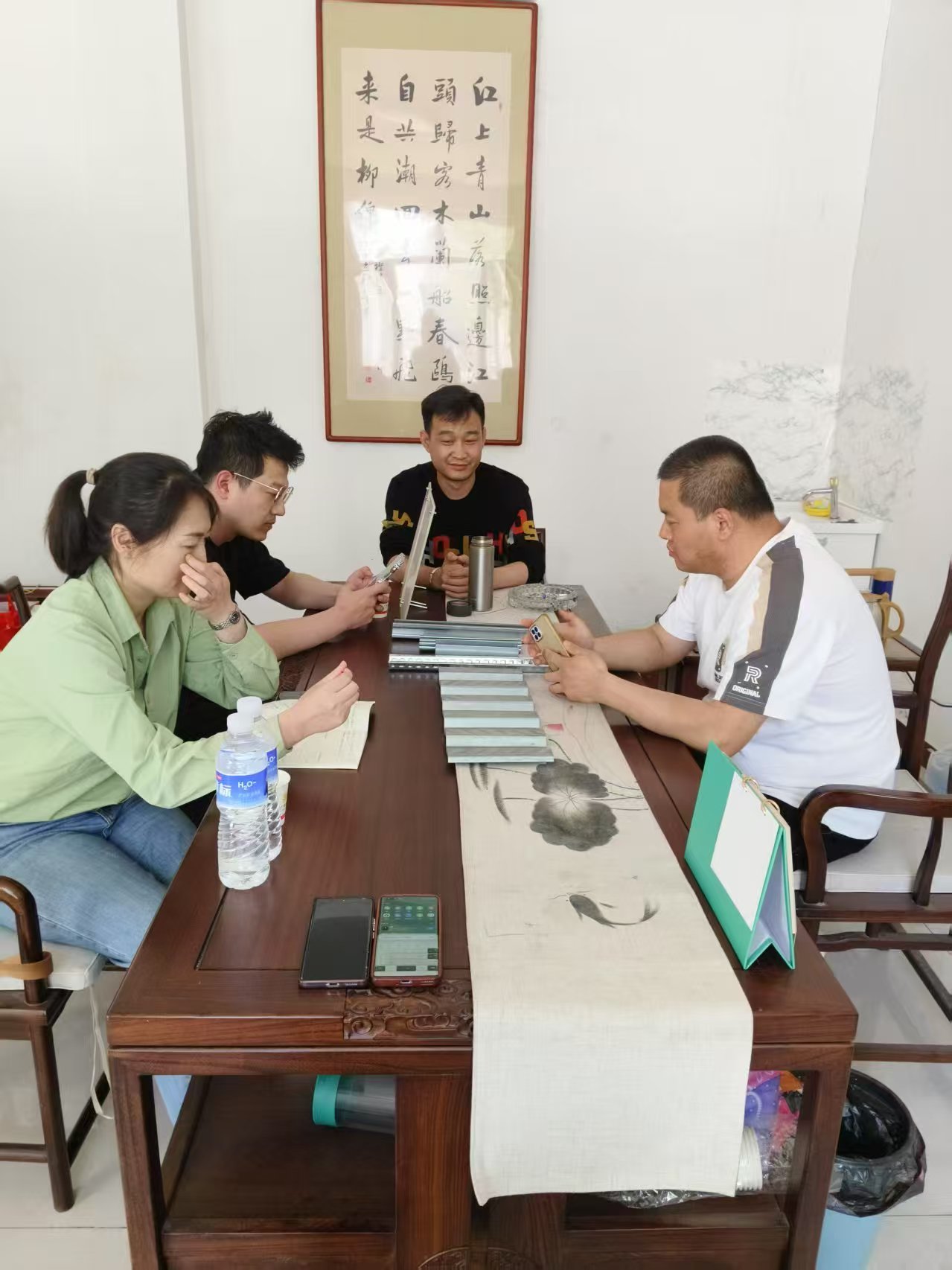
Recently, foreign trade personnel have conducted on-site learning on the company's equipment updates
Recently, foreign trade personnel have conducted on-site learning on the company's equipment updates
2025-05-15
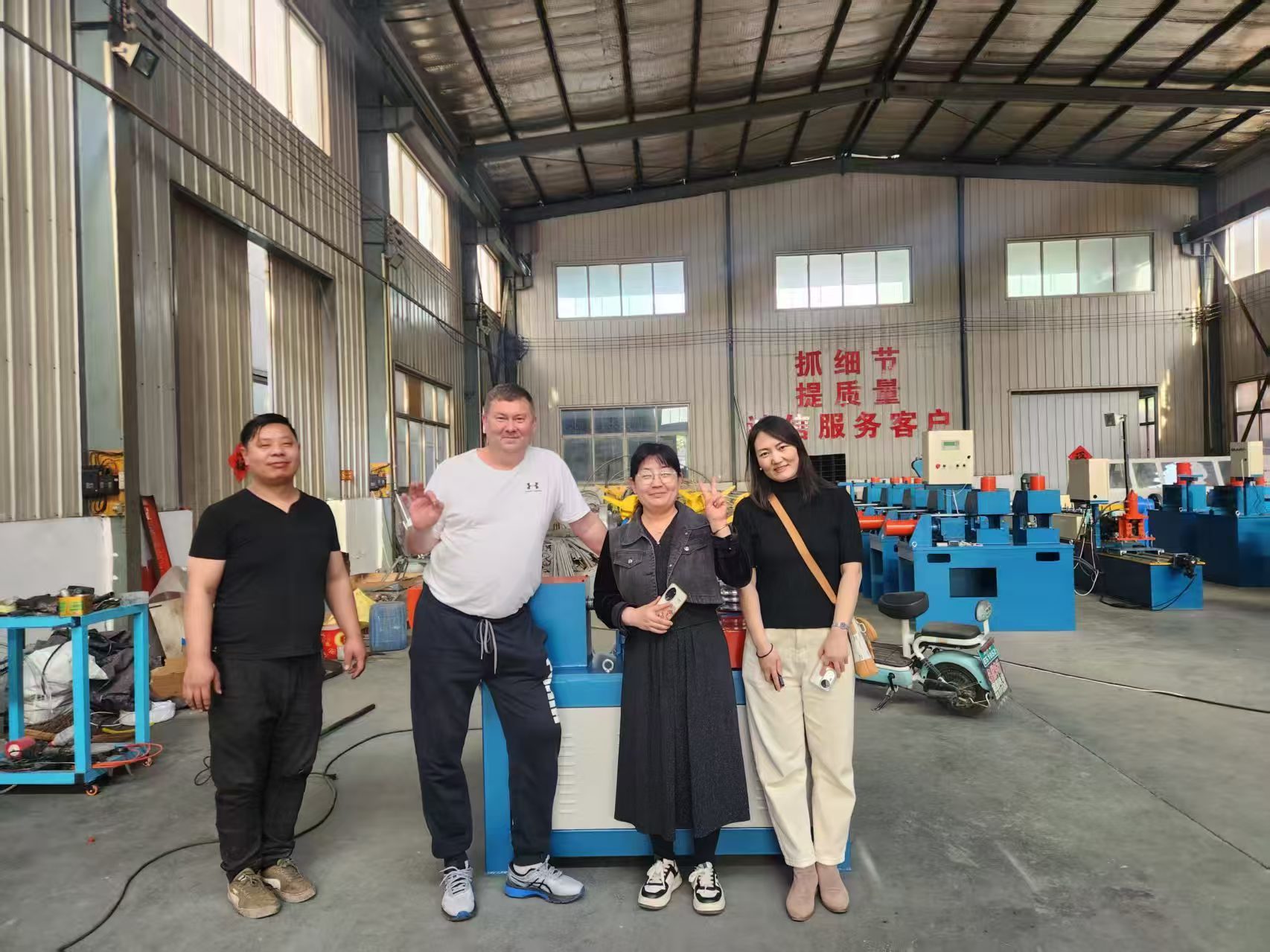
A customer from Inekhusko, Russia, took a 10-hour flight with multiple transfers to visit our factory and inspect the equipment they had previously ordered from our company.Our foreign trade staff warmly received the customer.
2025-04-24
Photovoltaic bracket equipment is a special bracket planned for the placement, installation.
2024-05-22


To inquire about our products, please leave your email to us and we will contact you within 24 hours.
Copyright:©Cangzhou Guangchi Machinery co., Ltd | Poweredby:300.cn | Privacy Policy
Business License