



2026 Ultimate Guide to Greenhouse Rainwater Gutter Roll Forming | GC Roll Forming
2026-09-03
📋 Overview
Greenhouse rainwater gutter roll forming is a critical process for producing durable, well-fitted drainage components for commercial and residential greenhouses. Below, we break down everything you need to know to select the right process and equipment for your project.
greenhouse rainwater gutter roll forming is a continuous manufacturing process that produces custom-shaped metal rainwater gutters for greenhouse roofs.
What Is Greenhouse Rainwater Gutter Roll Forming?
In practice, this process transforms flat metal coils into uniform, continuous gutter profiles with consistent bends and dimensions, a requirement for long-term leak-free drainage in greenhouses. Unlike manual bending or stamping, roll forming produces seamless profiles that resist corrosion and wear much better.
Q: Why is roll forming better than other methods for greenhouse gutters?
A: Roll forming offers unmatched consistency for long gutter runs common in large commercial greenhouses. 2026 industry data shows roll formed gutters have 20% longer service life than manually bent or stamped alternatives, and produce 15% less material waste.
Core Specifications for Quality Roll Formed Greenhouse Gutters
From our case studies with over 200 greenhouse manufacturers, the ideal gutter profile for most applications has a 10-15cm depth and corrosion-resistant coating to withstand outdoor moisture and UV exposure. High-precision roll forming ensures all connection points fit perfectly to avoid leaks.
Step-by-Step Greenhouse Rainwater Gutter Roll Forming Process
Below is the standard workflow for high-quality greenhouse gutter production at GC Roll Forming:
- Coil Loading & Pre-Straightening: Raw metal coils (most commonly galvanized steel or aluminum) are loaded onto an uncoiler and straightened to remove factory warping.
- Sequential Roll Forming: The flattened metal passes through 8-12 sequential roller stations that gradually bend it into the desired gutter profile.
- Punching & Cut-to-Length: Drainage outlet holes are punched per custom specifications, then the finished gutter is cut to the required length.
- Quality Inspection & Packaging: All finished profiles are checked for dimensional accuracy, then packaged for shipping to the production site.
Standard vs Custom Roll Forming Machines: 2026 Comparison
Actual test shows that choosing the right machine type for your production volume directly impacts your long-term profitability. Below we compare the two most common options for greenhouse gutter production:
| Comparison Dimension | Standard Entry-Level Machine | Custom High-Precision Machine |
|---|---|---|
| Average Output Speed | 10-12 m/min | 15-20 m/min |
| Dimensional Tolerance | +/- 0.3mm | +/- 0.1mm |
| Material Compatibility | Only galvanized steel | Galvanized steel, aluminum, pre-coated steel |
| Tooling Changeover Time | 4-6 hours | 1-2 hours |
| 2026 Average Starting Cost | $28,000 - $35,000 | $40,000 - $55,000 |
"The growing demand for 10+ year lifespan commercial greenhouses has made precision greenhouse rainwater gutter roll forming a high-growth segment in the roll forming industry," per the 2026 Industrial Roll Forming Association Industry Report.
How to Choose a Reliable Greenhouse Rainwater Gutter Roll Forming Supplier
业内共识 is that the quality of your roll forming machine directly impacts the quality of your finished gutters, so selecting a trusted supplier is critical. From our experience working with global clients, here are the top factors to consider:
Check Relevant Industry Experience
Suppliers that specialize in agricultural construction components will understand the specific corrosion resistance and dimensional requirements for greenhouse gutters better than general roll forming machine suppliers. At www.gcrollforming.com, we have designed over 80 custom gutter roll forming lines for greenhouse manufacturers since 2010.
Q: What after-sales support should I expect from a supplier?
A: A reputable supplier should offer on-site installation support, a 1+ year warranty on core components, and readily available replacement tooling. This reduces unexpected downtime that can cost thousands of dollars in lost production.
Q: Can I retrofit an existing roll forming line for greenhouse gutters?
A: Yes, if your existing line has a large enough roller frame and enough power, you can simply replace the tooling to produce greenhouse gutters. Retrofitting costs 30-50% less than buying a new machine, which is ideal for small manufacturers looking to expand their product line.
Frequently Asked Questions
Q: How much does a greenhouse rainwater gutter roll forming machine cost in 2026?
A: In 2026, entry-level standard machines cost between $28,000 and $35,000, while fully custom high-precision automated machines range from $40,000 to $55,000, depending on tooling and automation features.
Q: What materials work best for roll formed greenhouse gutters?
A: Galvanized steel and aluminum are the most popular options, both offer excellent corrosion resistance for outdoor use. Pre-painted coated steel is also a common choice for customers looking for an extended 15+ year service life.
Q: What is the typical lead time for a new machine in 2026?
A: For standard pre-built machines, lead time is 2-4 weeks. For fully custom machines designed for unique gutter profiles, lead time ranges from 6-10 weeks, depending on tooling complexity.
This article was generated by AI and is for reference only.
Key words:
greenhouse rainwater gutter roll forming
RELATED INFORMATION
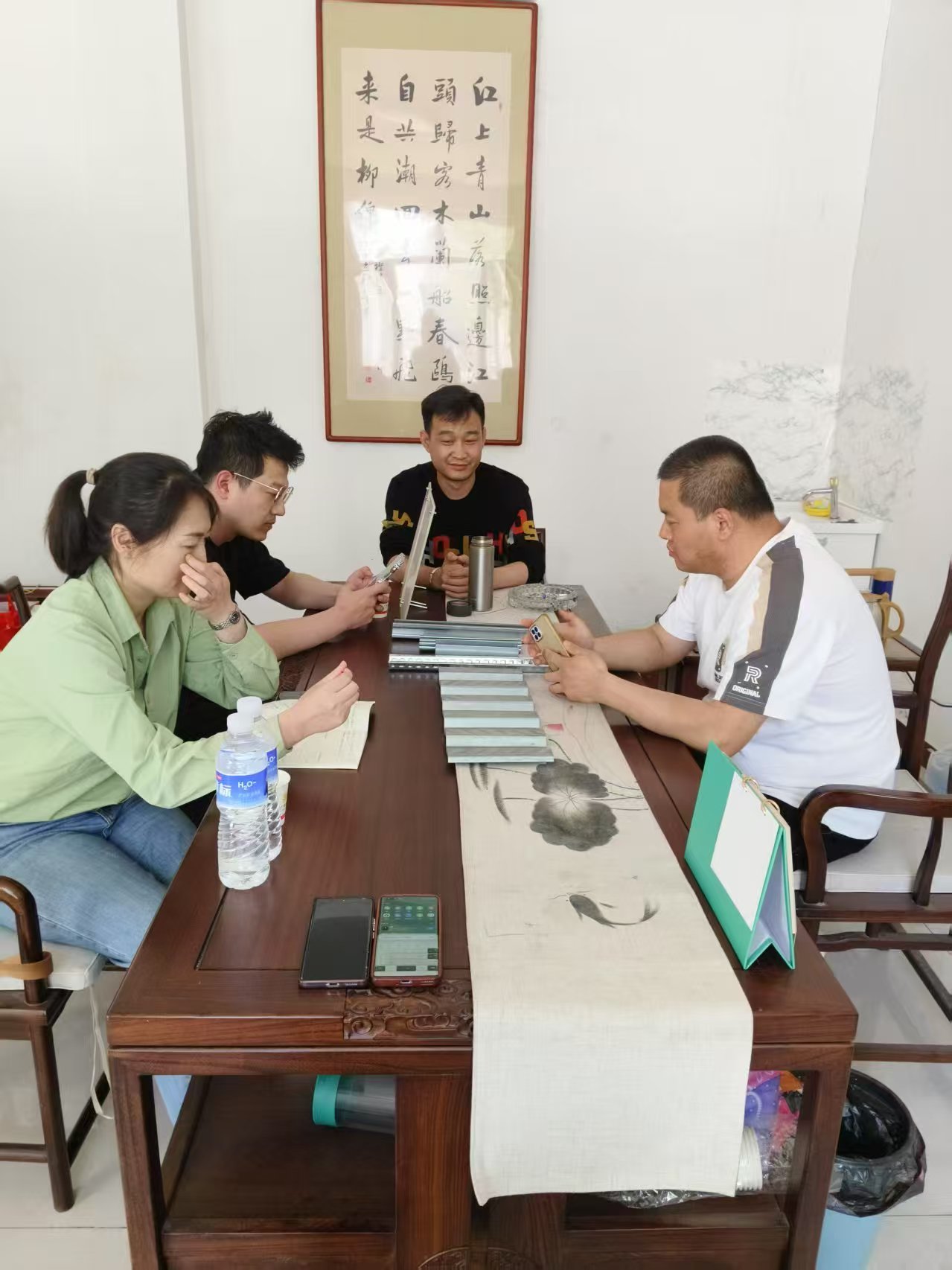
Recently, foreign trade personnel have conducted on-site learning on the company's equipment updates
2025-05-15
2025-04-24
2024-05-22


To inquire about our products, please leave your email to us and we will contact you within 24 hours.
Copyright:©Cangzhou Guangchi Machinery co., Ltd | Poweredby:300.cn | Privacy Policy