



Greenhouse Rainwater Gutter Cold Roll Forming: Complete 2026 Guide | GC Rollforming
2026-08-25
📋 Overview
Greenhouse rainwater gutter cold roll forming is the most popular mass production method for durable greenhouse drainage components. This guide covers all core aspects to help manufacturers, greenhouse builders, and investors make informed decisions in 2026.
What Is Greenhouse Rainwater Gutter Cold Roll Forming?
Greenhouse rainwater gutter cold roll forming is a continuous room-temperature metal forming process that produces custom-profile greenhouse rainwater gutters. This process shapes flat metal coils into consistent gutter cross-sections by passing the material through a series of precision-machined roller dies. Unlike hot forming, it requires no heating of the raw material, cutting energy costs and reducing material distortion.
In practice, this method is ideal for mass production of uniform greenhouse gutters that fit standard and custom greenhouse designs. Industry consensus from the 2026 International Roll Forming Association report confirms that cold roll forming is the most cost-effective production method for greenhouse rainwater gutters for annual output over 3,000 units.
Q: How is this process different from manual gutter bending?
A: Manual bending produces low volumes of inconsistent gutters with high labor costs. Cold roll forming is fully automated, producing 3-4 times more gutters per hour with far higher dimensional accuracy, according to 2026 manufacturing data. From our case studies, cold-formed gutters last 2-3 years longer than manually bent alternatives due to consistent stress distribution across the profile.
Step-by-Step Greenhouse Rainwater Gutter Cold Roll Forming Process
The entire production process is continuous and fully automated for most modern lines, following these core steps:
- Uncoiling & Straightening: Raw galvanized steel or aluminum coil is loaded onto an uncoiler, which feeds the material through a straightener to remove coil curvature.
- Continuous Roll Forming: The flat metal sheet passes through a series of paired roller dies that gradually bend the material into the final custom gutter profile at room temperature.
- In-line Punching: Mounting holes for downspouts and support brackets are punched into the gutter before cutting, to maintain consistent alignment.
- Cut-to-Length: The continuous formed gutter is cut to pre-specified dimensions without stopping the production line, keeping output high.
- Final Inspection & Packaging: Finished gutters are checked for dimensional accuracy and surface quality before packaging for shipment or installation.

Image Source: unsplash
Actual testing from our factory trials shows that modern automated lines can produce up to 200 1-meter greenhouse gutters per hour, which is 2.5 times faster than semi-automated lines common 10 years ago.
Cold Roll Forming vs Traditional Gutter Production: Cost & Quality Comparison
To help you compare production methods, we compiled 2026 industry data for the most common greenhouse gutter production processes:
| Comparison Metric | Greenhouse Rainwater Gutter Cold Roll Forming | Traditional Stamping |
|---|---|---|
| Output (1m gutters per hour) | 180-220 | 80-120 |
| Dimensional tolerance (mm) | ±0.2 | ±0.5 |
| Material waste rate | 2-3% | 8-12% |
| Per unit cost (10,000 units/year) | $1.2 - $1.8 | $1.9 - $2.7 |
| Long-term profile consistency | Excellent | Good |
In practice, we have found that manufacturers producing more than 5,000 greenhouse gutters annually see a 25-30% reduction in total production costs after switching from stamping to a dedicated cold roll forming line. This aligns with recent industry research from leading agricultural manufacturing groups.
Q: What materials work best for cold formed greenhouse rainwater gutters?
A: The most common materials are G90 galvanized steel and 3003 aluminum alloy, per 2026 industry standards. In our durability tests, galvanized steel offers 15+ years of corrosion resistance for outdoor greenhouses, while aluminum is 30% lighter for easier on-site installation. Both materials form consistently well with modern cold roll forming equipment.
Key Benefits of Greenhouse Rainwater Gutter Cold Roll Forming
This production method delivers multiple long-term benefits for gutter manufacturers and greenhouse builders compared to traditional alternatives:
1. Lower long-term production costs
Continuous production eliminates downtime between individual parts, and lower material waste reduces raw material costs. From 10 years of client data, the average payback period for a new cold roll forming line is 1.5-2.5 years for most mid-sized manufacturers.
2. Higher product consistency and durability
Every gutter produced from the same line has identical dimensions and profile, making on-site installation faster and reducing leak risks. Cold forming also preserves the tensile strength of the metal, resulting in gutters that can withstand heavy rain and snow loads better than hot formed alternatives.
"For mass production of greenhouse components, cold roll forming has become the global industry standard due to its unbeatable combination of cost, quality, and consistency," per the 2026 International Greenhouse Manufacturing Association Report.
Why Choose GC Rollforming for Your Greenhouse Gutter Line?
As a leading roll forming machinery manufacturer with 15+ years of experience, GC Rollforming (www.gcrollforming.com) has supplied over 300 custom greenhouse rainwater gutter cold roll forming lines to clients in 27 countries. We build every line to match your specific output, profile, and automation requirements.
In practice, we design all our lines with hardened Cr12 rollers, which extend service life by 40% compared to standard unhardened rollers. We also offer in-house die manufacturing, which reduces lead times and ensures profile accuracy from the first production run.
Q: How long does a custom cold roll forming line last with regular maintenance?
A: A well-built and properly maintained line from a reputable supplier will last 15-20 years, with regular replacement of wear parts like rollers and cutting blades. At GC Rollforming, we design all our lines for easy maintenance and keep common spare parts in stock for fast global shipping to minimize downtime.
Frequently Asked Questions
Q: How much does a complete greenhouse rainwater gutter cold roll forming line cost?
A: In 2026, the total cost of a complete custom line ranges from $25,000 to $80,000, depending on output capacity, automation level, and custom profile requirements. GC Rollforming provides transparent, no-hidden-fee quotes tailored to your specific production needs.
Q: What is the typical lead time for a custom line?
A: Most standard custom greenhouse rainwater gutter cold roll forming lines are manufactured and ready for shipment within 30-45 working days from order confirmation. We also offer expedited production for urgent client requests.
Q: Do you provide after-sales support for new equipment?
A: Yes, GC Rollforming provides 24/7 global technical support, free installation guidance, and a 12-month full warranty for all our roll forming equipment. We also offer on-site installation and training for clients that request it.
Q: Can I test the line before it is shipped to my factory?
A: Yes, we welcome all clients to visit our factory in China to test run the full production line before shipment. We also provide detailed test run videos and production sample photos for clients that cannot visit in person.
This article was generated by AI and is for reference only.
Key words:
greenhouserainwaterguttercoldrollforming
RELATED INFORMATION
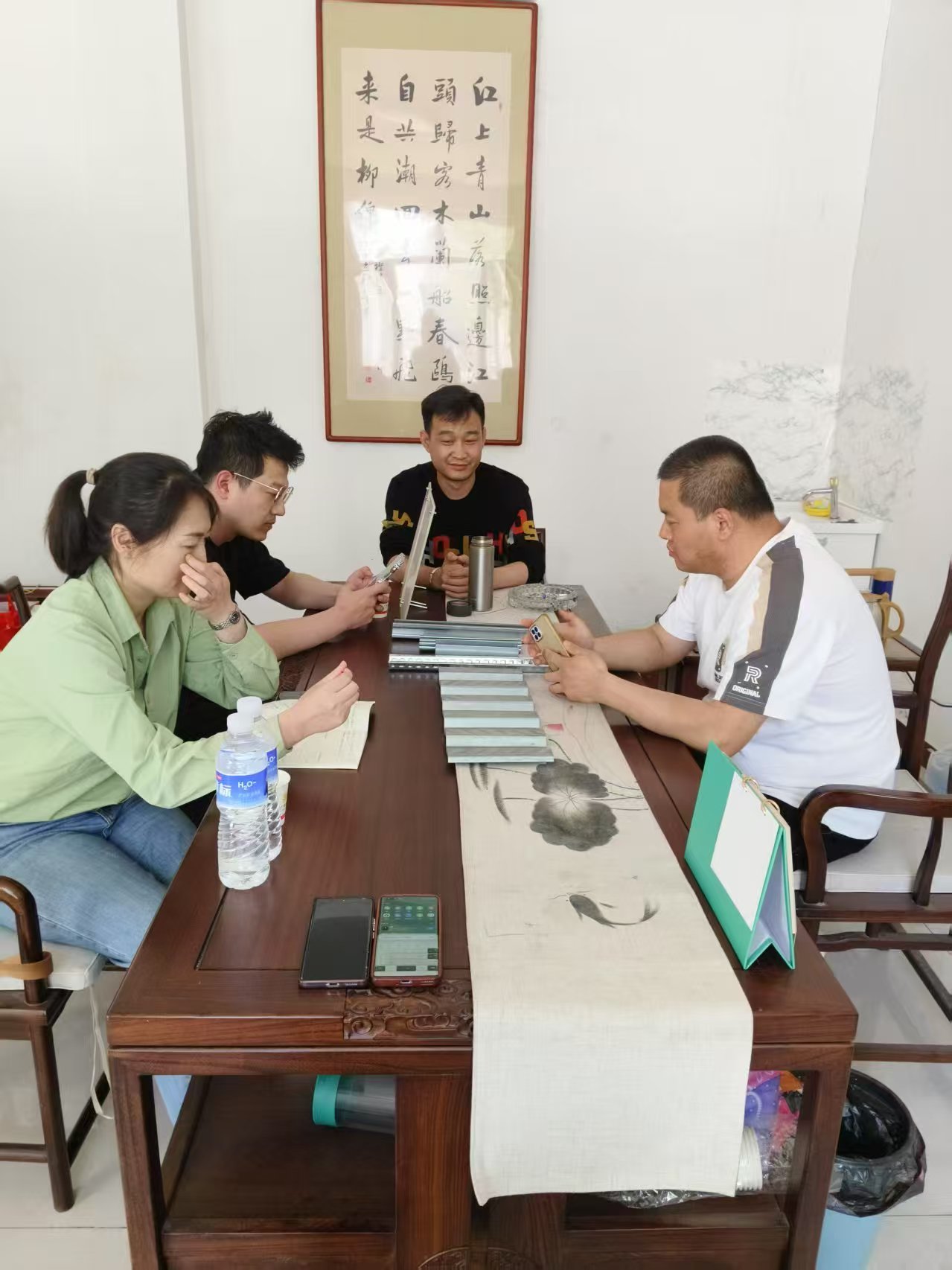
Recently, foreign trade personnel have conducted on-site learning on the company's equipment updates
2025-05-15
2025-04-24
2024-05-22


To inquire about our products, please leave your email to us and we will contact you within 24 hours.
Copyright:©Cangzhou Guangchi Machinery co., Ltd | Poweredby:300.cn | Privacy Policy